
Attic Insulation
Keep summer heat out and winter warmth in. The right attic insulation lowers energy bills, evens out room temperatures and takes a big load off your air conditioner.
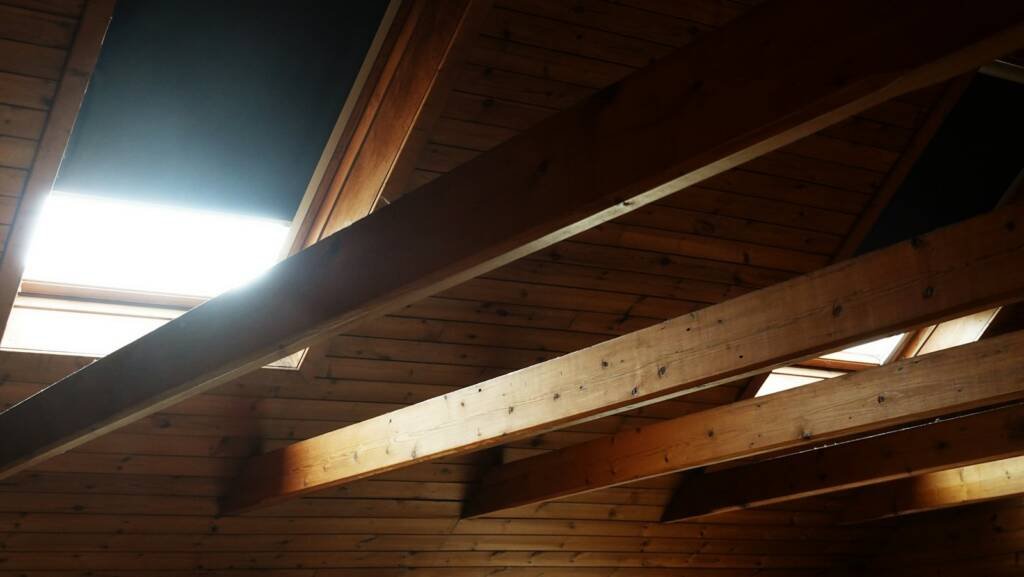
Especially upstairs
Less AC run time
Your Attic Is the Front Line Against Texas Heat
On a summer afternoon, a North Texas attic can get far hotter than the air outside. Without enough insulation, that heat pushes down through your ceilings, forcing your air conditioner to run longer and harder, and leaving upstairs rooms uncomfortable.
Many older homes have insulation that is too thin, settled or damaged. Adding insulation to the recommended level, and sealing air leaks first, is one of the most cost-effective upgrades you can make for comfort and efficiency.
Signs Your Attic Needs More Insulation
Hot Upstairs Rooms
Upper floors stay warmer than the rest of the house in summer.
Visible Ceiling Joists
You can see the tops of the joists above the insulation.
Rising Energy Bills
Cooling costs keep climbing year after year.
AC Runs Nonstop
Your AC struggles to keep up on hot afternoons.
Damaged Insulation
Insulation that is flattened, patchy, wet or disturbed.
Drafts & Uneven Temps
Some rooms are always too hot or too cold.
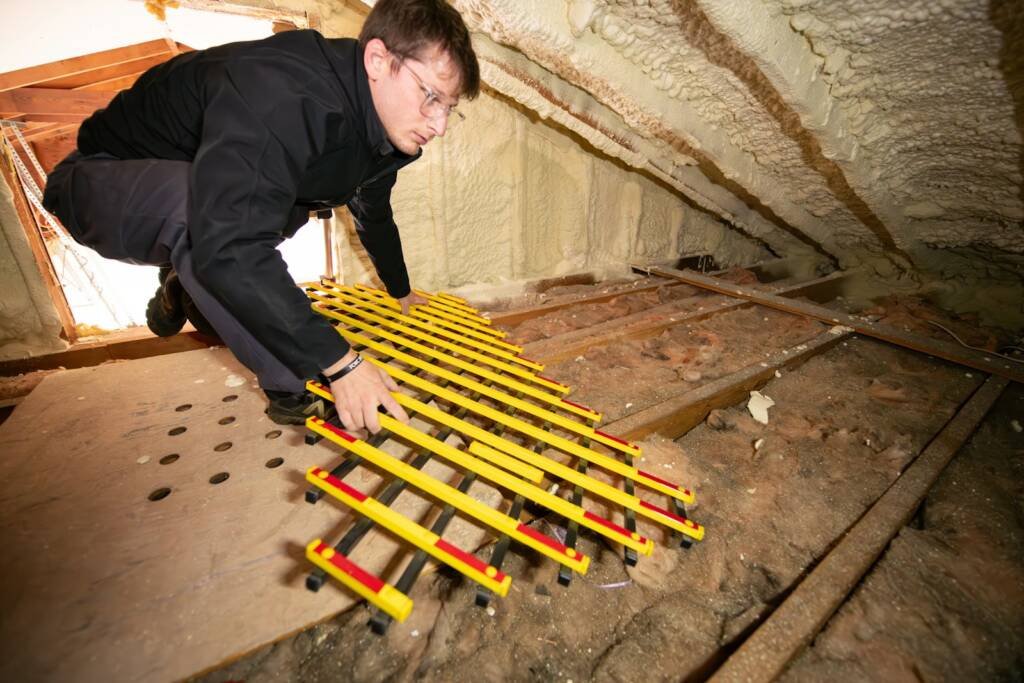
Attic Insulation Services
Every attic we work on starts with a careful inspection. We measure how much insulation you have today, check its condition, and look for moisture, pest damage, air leaks and ventilation problems. From there we recommend the right approach for your home, whether that is blown-in insulation to bring an existing attic up to the recommended depth, batt insulation for open framing, knee walls and bonus rooms, or a radiant barrier to reflect the Texas sun away from your roof deck and keep attic temperatures down.
If your current insulation is wet, compressed or contaminated, we remove it safely and start fresh. Before any new insulation goes in, we seal the hidden air leaks around lights, pipes, wiring and the attic hatch, so hot attic air and dust stay out of your living space. The result is an attic that works with your air conditioner instead of against it: cooler upstairs rooms, lower summer energy bills and a home that stays comfortable in every season.
Our Insulation Process
Inspect & Measure
We check insulation depth, coverage and condition in your attic.
Seal Air Leaks
We seal gaps around fixtures and penetrations first.
Install
Blown-in or batt insulation is installed to the recommended level.
Verify
We confirm even coverage and check vents and ductwork.
Benefits of Proper Attic Insulation
Lower Bills
Less heat gain and loss
Even Comfort
Cooler upstairs rooms
Less AC Strain
Shorter run times
Quieter Home
Less outside noise
Attic Insulation FAQ
How much attic insulation do I need?
ENERGY STAR recommends about R-30 to R-60 for attics in our climate zone. We measure what you have now and recommend how much to add.
Blown-in or batt insulation?
Blown-in insulation is usually best for existing attics because it fills gaps and irregular spaces evenly. Batts work well for open framing and new construction.
Does a radiant barrier help in Texas?
In hot, sunny climates a radiant barrier can reduce the heat that radiates from the roof into the attic, which helps keep the attic and ductwork cooler.
How long does it take to insulate an attic?
Most attic insulation jobs are completed in one day.
Can I add insulation on top of the old insulation?
Often yes, if the existing insulation is dry and in good condition. Wet, moldy or contaminated insulation should be removed first.
Related Services
Indoor Air Quality
Learn more →
Duct Cleaning
Learn more →
Smart Thermostat
Learn more →
Beat the Heat with Better Insulation
Get a free attic insulation check and find out how much you could improve comfort and energy efficiency.