
An air purifier can make a real difference in a Burleson home. Spring brings heavy pollen, summer keeps windows shut for months, and dust, pet dander and wildfire smoke drift in throughout the year. But many homeowners invest in a portable purifier or a whole-home system and never get the clean air they expected. In most cases the equipment is fine; the problem is how it was installed or used.
Here are seven common air purifier installation mistakes that hurt performance, and how to avoid them.
1. Choosing the Wrong Size for the Space
An undersized purifier simply cannot move enough air to make a difference. For portable units, look at the Clean Air Delivery Rate (CADR). A common guideline from the Association of Home Appliance Manufacturers is a CADR of at least two-thirds of the room’s floor area, so a 300-square-foot living room needs a CADR of about 200 or more. Rooms with high ceilings, open floor plans or heavy allergy needs call for even more.
Whole-home systems have the opposite problem: oversizing the filter or media for what the HVAC system can handle. That leads us to the next mistake.
2. Ignoring Your HVAC System’s Airflow Limits
Installing a high-efficiency filter or in-duct purifier without checking airflow is one of the costliest mistakes. Higher-rated filters, such as MERV 13, capture much smaller particles, but they can also add resistance. If your blower and ductwork were not designed for it, the system’s static pressure rises. The results can include weaker airflow to rooms, a frozen evaporator coil in summer, an overheating furnace in winter, higher energy bills and a shorter equipment life.
The fix is not to skip good filtration but to size it correctly. A technician can measure static pressure and recommend a deeper media cabinet (4 to 5 inches thick) that filters well with much less restriction than a standard 1-inch filter.
3. Putting It in the Wrong Place
Location matters for both types of purifiers.
- Portable units should not be pushed into a corner, hidden behind a couch or set right against a wall or curtains. Give them a foot or more of clearance on all sides and place them where people spend the most time, such as the bedroom or family room, with a clear path for air to circulate.
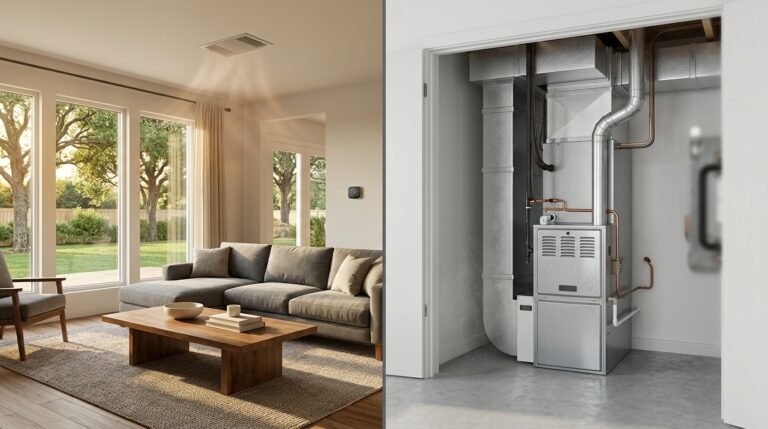
- Whole-home systems must be installed where all the air passes through them, usually at the return side of the air handler or furnace. UV lights need to face the indoor coil or be placed in the correct section of ductwork to actually treat the surfaces and air they are meant to.
Air circulation through the house matters too. If some rooms have weak airflow, the purifier cannot clean that air. Our guide on whether your rooms have the right number of HVAC air vents explains how to spot that problem.
4. Leaving Gaps Around the Filter
Even the best filter is useless if air can sneak around it. Loose filter slots, missing access-door gaskets, the wrong filter size and unsealed seams in the cabinet all let dusty air bypass the media and go straight to your coil and your rooms. A whole-home installation should include a properly sized, sealed filter rack and an access door that closes tightly. With portable units, make sure the filter is seated correctly and the protective plastic has been removed; it happens more often than you would think.
5. Choosing an Ozone-Producing Device
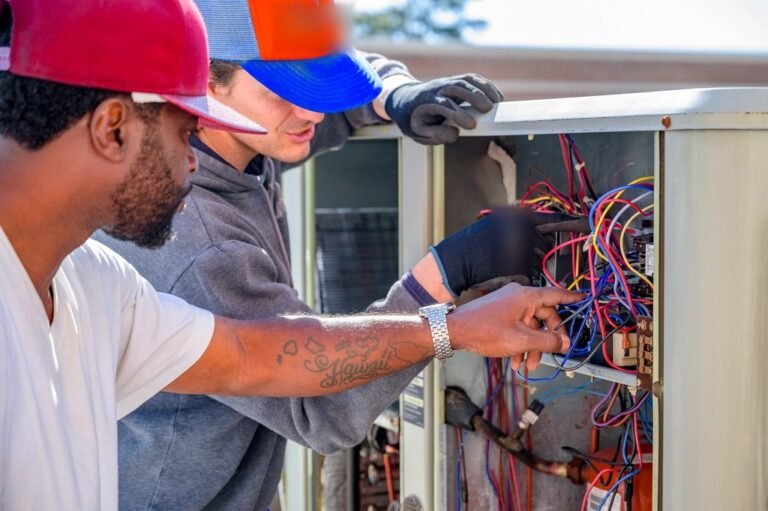
Some “air purifiers” work by intentionally producing ozone. The U.S. Environmental Protection Agency warns that ozone is a lung irritant and that ozone generators sold as air cleaners are not an effective or safe way to clean indoor air. Before buying, check that the product is certified as low- or zero-ozone, for example by the California Air Resources Board (CARB), which tests and lists air cleaning devices. Any electronic or UV component in your ductwork should also be wired correctly by a qualified installer, with a safety switch so UV lamps shut off when the panel is opened.
6. Not Running the System Enough
A whole-home purifier only cleans air while the blower is running. On mild spring and fall days, when your heat and AC barely cycle, very little air passes through it. Many homeowners get better results by running the fan for a set time each hour, using a thermostat with a “circulate” setting. Our guide on how to best schedule your home’s thermostat explains the trade-offs between the Auto, On and Circulate fan settings.
The same rule applies to portable units: they need to run continuously, usually on a medium setting, to keep up. Turning one on for an hour after you notice dust or allergies does very little.
7. Skipping Maintenance
Every air purifier loses effectiveness without maintenance:
- Filters load up with particles and restrict airflow. Change them on schedule, typically every 3 to 12 months depending on the type and thickness.
- UV-C bulbs keep glowing long after they stop producing effective UV output, so most need replacing about once a year.
- Electronic air cleaner cells need regular washing.
- Pre-filters on portable units should be vacuumed or rinsed monthly.
A neglected filter can also hurt your heating and cooling equipment, and it is one of the most common causes of the problems in our list of 11 heating system problems to watch for this winter.
Bonus Tip: Fix the Source, Too
An air purifier works best as part of a bigger plan. Leaky return ducts in the attic can pull in insulation fibers and dust faster than any filter can catch them, and high humidity can encourage mold growth. Sealing ducts, controlling humidity and reducing indoor pollution sources all make your purifier more effective.
Get Your Air Purifier Installed Right in Burleson
If you are considering a whole-home air purifier, or want to know whether the one you have is working properly, our team can test your airflow, check your filtration and recommend the right solution for your home and system. Learn more about our indoor air quality services or call HVAC Repair Burleson at (817) 839-0304 for expert installation.