
Your air conditioner does not actually make cold air. It moves heat. Warm air from your rooms is pulled across the indoor coil, the heat is carried outside through the refrigerant lines, and the outdoor unit releases it into the yard. Every step of that process depends on air moving freely. When ventilation is restricted anywhere along the way, your AC works harder, cools less and wears out sooner.
In Burleson, where air conditioners run from April well into October, good airflow is not a small detail. It is one of the biggest factors in how comfortable your home feels and how much you pay to cool it. Here is how air conditioner ventilation works, why it matters, and the simple maintenance steps that keep it working.
What “AC Ventilation” Really Means
When people talk about air conditioner ventilation, they usually mean three connected areas of airflow:
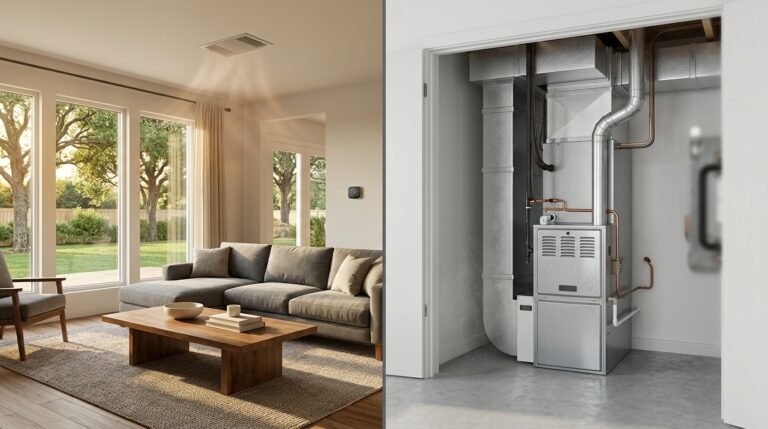
- Indoor airflow: supply vents that deliver cooled air to each room, and return vents that pull warm air back to the system.
- Ductwork: the hidden network of supply and return ducts, often running through a hot attic, that carries air between the rooms and the indoor unit.
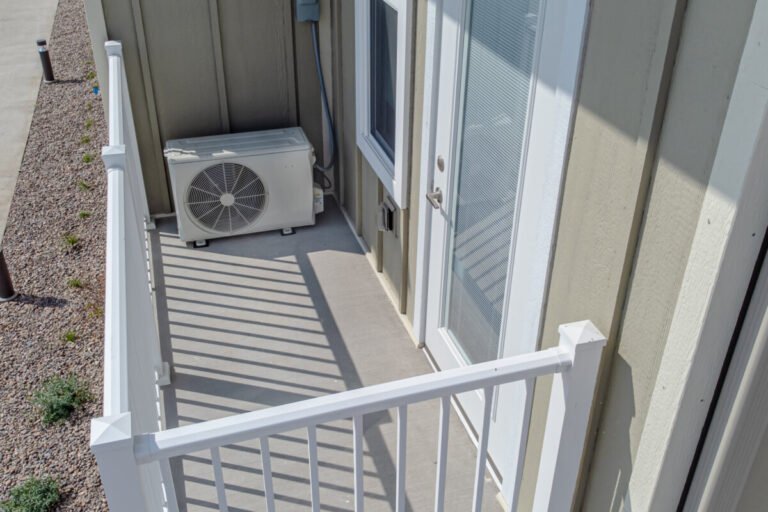
- Outdoor airflow: the condenser outside, which needs open space on every side so its fan can push heat away from the unit.
A problem in any one of these areas affects the whole system. A blocked return, a crushed duct or a condenser buried in shrubs can each cut cooling performance on its own.
Why Proper Ventilation Matters
Better Cooling and Even Temperatures
Your AC is designed to move a specific amount of air for its size. When vents are blocked or ducts leak, some rooms get too little air and stay warm while others feel fine. If you have one bedroom that never cools down, airflow is often the reason. Our guide on whether your rooms have the right number of HVAC air vents explains how vent count and placement affect comfort.
Lower Energy Bills
Restricted airflow forces the system to run longer to reach the thermostat setting. Leaky ducts make it worse. According to ENERGY STAR, about 20 to 30 percent of the air moving through a typical home’s duct system is lost to leaks, holes and poorly connected ducts. On a long Texas summer, that wasted air shows up on every electric bill.
Fewer Breakdowns
Poor airflow causes some of the most common AC failures. Too little air across the indoor coil can make it so cold that it ices over, and a frozen coil stops cooling almost completely. If you have ever seen frost on your copper lines, read our article on why an AC freezes up and how to fix a frozen evaporator coil. Outside, a condenser that cannot release heat runs hot, which strains the compressor and fan motor and can trip safety controls.
Healthier Indoor Air
Good ventilation also helps your AC filter the air and remove humidity. When return vents are blocked or filters are clogged, dust and allergens circulate instead of being trapped, and rooms can feel clammy even when the thermostat says they are cool.
Warning Signs of Poor AC Ventilation
- Weak airflow from some or all supply vents
- Rooms that are noticeably warmer than the rest of the house
- The AC runs for long periods or turns on and off frequently
- Ice or frost on the indoor coil or refrigerant lines
- A whistling sound at return grilles, a sign the system is struggling to pull in air
- Extra dust on furniture shortly after cleaning
- Cooling bills that keep climbing even though your settings have not changed
Left alone, these issues can lead to a complete shutdown on the hottest day of the year. Our article on the common reasons an air conditioner stops working shows how airflow problems fit into the bigger picture.
How to Maintain Good AC Ventilation
1. Change the Air Filter Regularly
The filter is the first place airflow gets blocked. Check it monthly during the cooling season and replace standard 1-inch filters every one to three months. Homes with pets, allergies or nearby construction may need more frequent changes. Always use the size listed on the filter frame, and make sure the airflow arrow points toward the unit.
2. Keep Supply and Return Vents Clear
Move furniture, rugs and curtains away from vents. Do not close supply vents in unused rooms to “save energy.” Closing too many registers raises pressure in the ductwork, which can increase duct leakage, reduce airflow across the coil and make the system less efficient rather than more. Return grilles are especially important. They are usually larger and fewer in number, so blocking even one can starve the whole system of air.
3. Give the Outdoor Unit Room to Breathe
Most manufacturers recommend at least two feet of clear space around the sides of the condenser and several feet of open space above it. In Burleson yards, the usual culprits are overgrown shrubs, grass clippings blown against the coil, cottonwood fluff in spring and leaves after fall storms. With the power off at the outdoor disconnect, gently rinse the fins with a garden hose. Never use a pressure washer, which can bend the delicate fins.
4. Pay Attention to the Attic
In many local homes, the indoor unit and much of the ductwork sit in the attic, where summer temperatures can climb well above 130 degrees. Good attic ventilation through soffit and ridge vents, combined with proper insulation and sealed ducts, keeps that heat from soaking into the air your AC just cooled.
5. Schedule Professional Maintenance
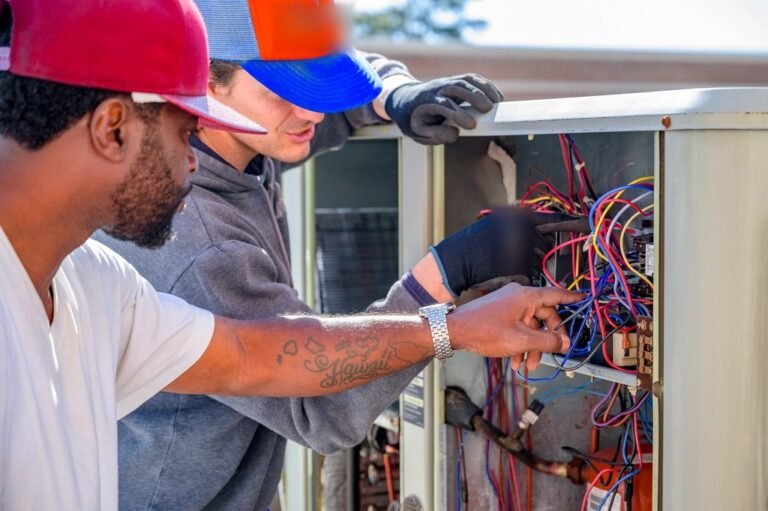
Some airflow problems are hidden from view. A technician can measure static pressure and temperature split, check blower speed, clean the indoor and outdoor coils, look for disconnected or crushed ducts, and confirm the system is moving the right amount of air for its size.
Homeowner vs. Professional: Who Handles What
| Task | How Often | Who |
|---|---|---|
| Check and replace air filter | Every 1 to 3 months | Homeowner |
| Clear furniture and rugs from vents | Ongoing | Homeowner |
| Clear debris around outdoor unit | Monthly in summer | Homeowner |
| Clean indoor and outdoor coils | Once a year | Technician |
| Measure airflow and static pressure | Once a year | Technician |
| Inspect and seal ductwork | As needed | Technician |
Keep Your AC Breathing Easy
Good ventilation is one of the simplest ways to protect your air conditioner, lower your energy bills and keep every room comfortable through a Burleson summer. A few minutes of homeowner care each month, paired with a yearly professional checkup, goes a long way.
If you notice weak airflow, hot rooms or ice on your system, our licensed technicians can find the cause and get air moving the way it should. Learn more about our AC maintenance service in Burleson, or call (817) 839-0304 to schedule a visit.