It is 4 p.m. in July, the thermometer outside reads 102°F, and your air conditioner just quit. Do you call for help right now, or can it wait until tomorrow morning? In Burleson, where summer heat can be dangerous and not just uncomfortable, the answer depends on a few key factors. This guide explains when a broken AC is a true emergency, what you can safely check first, and how to stay safe while you wait for help.
The Short Answer: It Depends on Heat and Health
Sometimes it is. A dead air conditioner is an emergency when it puts health or property at risk. It is usually not an emergency when the weather is mild, everyone in the home is healthy, and the system simply is not cooling as well as it should.
The biggest factor is heat. A closed-up Texas home can climb into the upper 80s or 90s within a few hours of losing cooling on a summer afternoon, and indoor temperatures often keep rising after sunset. The Centers for Disease Control and Prevention notes that electric fans may provide comfort, but when temperatures reach the high 90s, they will not prevent heat-related illness. That is why timing and who lives in your home matter so much.
Signs Your AC Problem Is an Emergency
Call for emergency AC service right away if any of these apply:
- Someone vulnerable is at home. Infants, young children, adults over 65, pregnant women, and anyone with heart disease, breathing problems or diabetes are at higher risk of heat exhaustion and heat stroke.
- Indoor temperatures are climbing past the mid-80s during a heat wave or heat advisory, with no cool place to go.
- You smell burning or see smoke or sparks from the indoor or outdoor unit. Turn the system off at the thermostat and the breaker immediately.
- The breaker keeps tripping. Repeated trips signal an electrical fault that can damage the compressor or create a fire risk.
- Water is leaking through a ceiling or flooding near the indoor unit, which can quickly damage drywall, flooring and insulation.
- You hear loud grinding, banging or screeching, which can mean a motor or compressor is failing.
- Pets, medications or medical equipment in the home are sensitive to heat.
If you notice a gas smell from a furnace or nearby appliance, leave the home and call 911 or your gas utility from outside. That is a safety emergency, not an AC repair.
When It Can Usually Wait
Not every AC issue needs a midnight service call. It can usually wait for a regular appointment when:
- Temperatures outside are mild, below about 85°F, or it is evening and cooling off.
- The system is running but cooling a little less than usual.
- Everyone in the home is healthy and you have another cool place to stay.
- The issue is a minor noise or a small change in airflow with no burning smell or leaks.
Booking a standard appointment saves you after-hours fees and still gets the problem fixed quickly. Just do not ignore it for weeks, because small problems tend to grow into big repairs in the Texas heat.
Quick Checks Before You Call

A few safe checks can sometimes restore cooling in minutes:
- Thermostat: make sure it is set to Cool, the fan is on Auto, and the setting is below room temperature. Replace weak batteries.
- Breakers: check the AC and furnace breakers and the disconnect box by the outdoor unit. Reset a tripped breaker once only.
- Air filter: a clogged filter can choke airflow and even freeze the indoor coil. Swap it if it looks gray.
- Ice on the lines: if the copper lines or coil are frozen, turn the system to Off and the fan to On for a few hours to thaw it before calling.
- Outdoor unit: clear grass, leaves and debris so it can breathe.
Our guide on why your air conditioner won’t turn on walks through these checks in more detail.
How to Stay Safe While You Wait
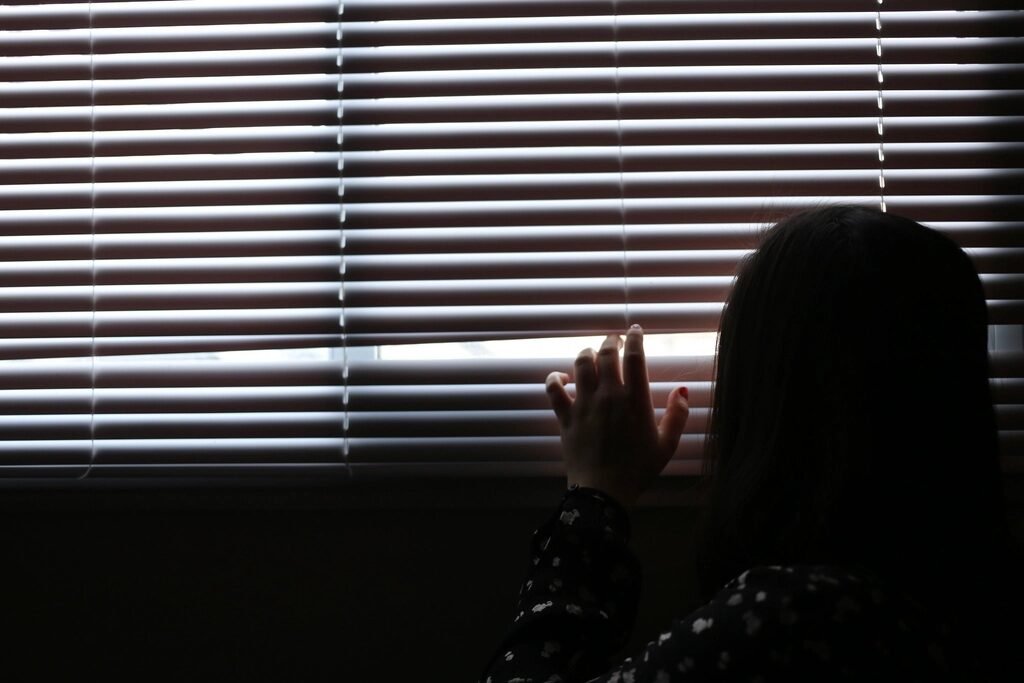
- Block the sun. Close blinds and curtains, especially on west-facing windows in the afternoon.
- Move to the lowest, coolest room and keep doors closed to hold in what cool air remains.
- Drink water often, even if you are not thirsty, and avoid alcohol and heavy caffeine.
- Use fans wisely. They help when indoor air is below the mid-90s, but they are not enough on their own in extreme heat.
- Cool your body with damp cloths or a lukewarm shower, and avoid using the oven or dryer.
- Know when to leave. If the house gets dangerously hot, go to a friend’s home, a library, a shopping center or a public cooling center.
Watch for signs of heat exhaustion, including heavy sweating, dizziness, headache, nausea, cramps and weakness. Confusion, a very high body temperature or hot, dry skin can mean heat stroke, which is a medical emergency. Call 911 right away.
What Causes Sudden AC Failures?
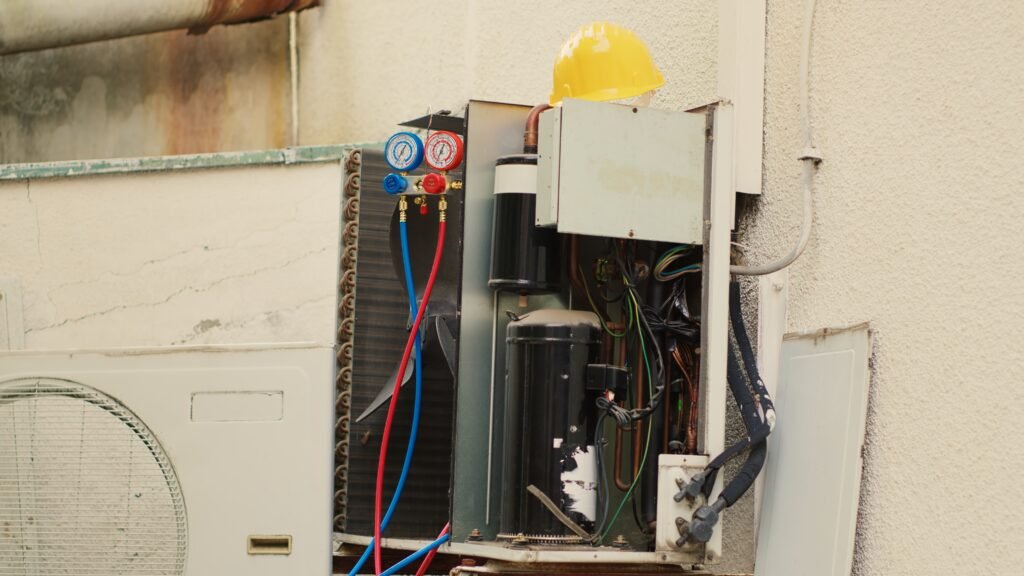
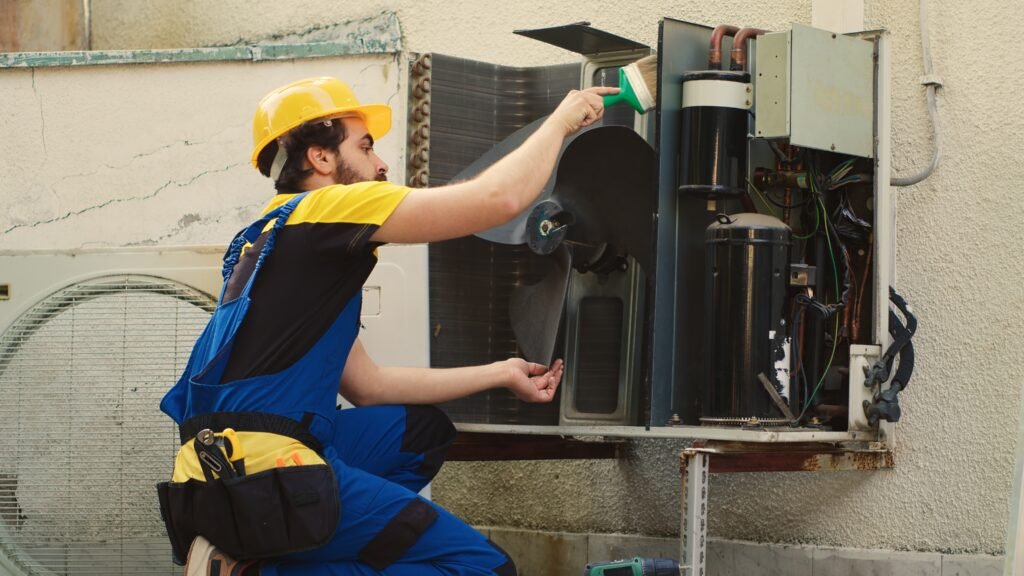
Most summer breakdowns we see in Burleson come from a handful of parts working overtime in the heat: a failed capacitor, a burned or ant-jammed contactor, a refrigerant leak, a frozen coil from a dirty filter, or a clogged condensate drain that trips a safety switch. Many of these are quick fixes for a trained technician, and our AC repair trucks carry the most common parts so most repairs are finished in one visit.
If your system is older, uses discontinued R-22 refrigerant, or keeps breaking down, it may be time to compare repair costs with an AC replacement. For a heat pump, see our heat pump repair service.
How to Prevent the Next AC Emergency
The best emergency is the one that never happens. A spring AC tune-up catches weak capacitors, low refrigerant and dirty coils before the first heat wave. Regular AC maintenance also keeps your manufacturer warranty valid and helps the system run efficiently. Add a smart thermostat that alerts you to problems, and change your filter every one to three months during cooling season.
Need Emergency AC Repair in Burleson?
If your AC goes out in the heat, you do not have to wait it out. HVAC Repair Burleson offers 24/7 emergency service with licensed technicians who explain every step before any work begins. Call (817) 839-0304 any time, day or night, or request service online for a non-urgent visit.