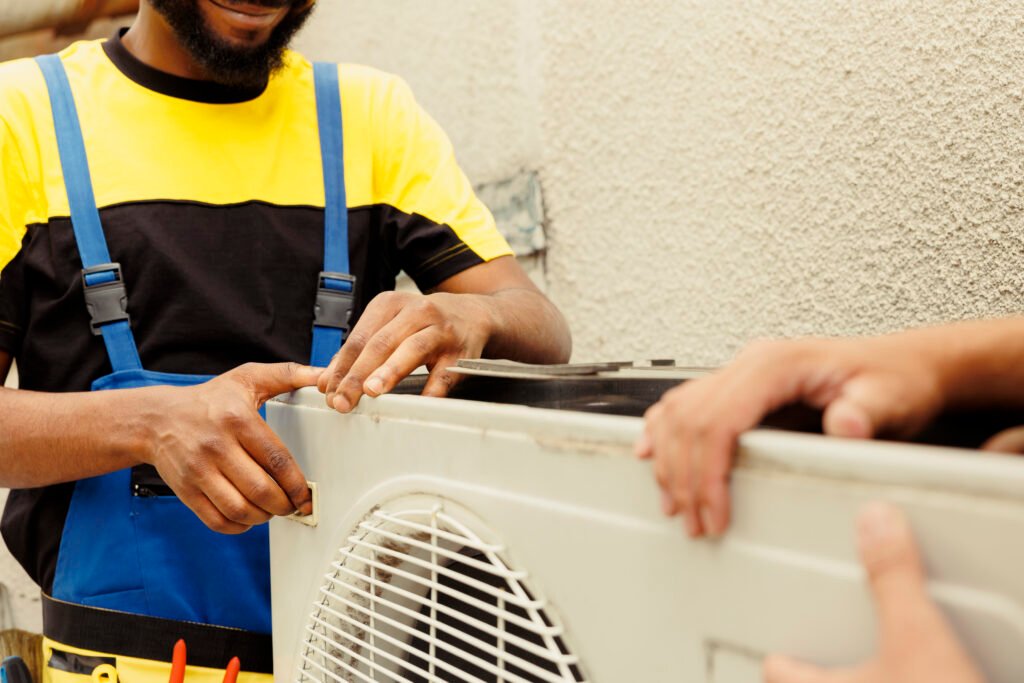
It happens every spring in Burleson. The first 90-degree afternoon arrives, you switch the thermostat over to cooling, and nothing happens. No hum from the outdoor unit, no cool air from the vents. If you had your furnace or heat pump serviced over the winter, it is natural to wonder whether the two are connected.
Sometimes they are, and often the fix is simple. Heating work can leave a switch in the wrong position, and months of sitting idle give small problems time to grow. Below are the most common reasons an air conditioner won’t turn on after heater service, what you can safely check yourself, and when it is time to call a licensed technician.
Why Your Air Conditioner Won’t Turn On After Heater Service
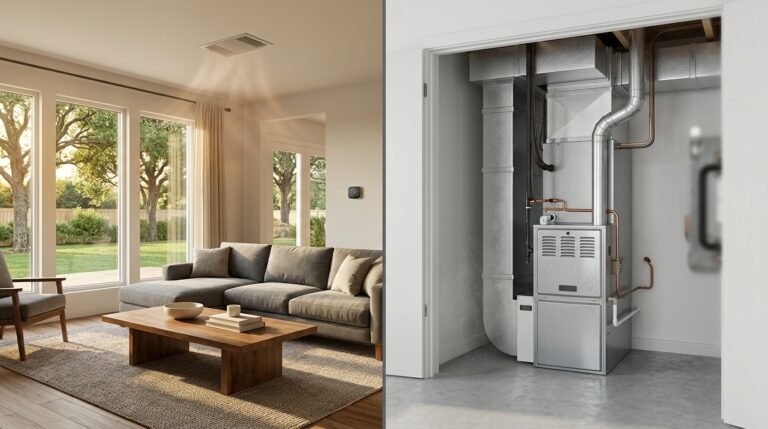
Your heating and cooling equipment shares more parts than most people realize. In a typical Burleson home, the indoor furnace or air handler houses the blower fan, the control board and the 24-volt transformer that powers the thermostat. The outdoor AC unit depends on that low-voltage signal to start. So if anything on the heating side is disturbed, the cooling side can go silent too.
A few heating-season culprits we see often:
- The furnace door isn’t fully seated. Most furnaces have a safety switch behind the blower door. If the panel was not pushed back on firmly after service, the whole system stays off, including the AC.
- The outdoor disconnect was pulled. Some technicians remove the pull-out block in the box beside the condenser during winter work and forget to replace it.
- The condensate safety switch tripped. A clogged drain line can trip a float switch that shuts the system down to prevent a water leak.
- A wire was knocked loose at the control board while other parts were being serviced.
If none of these explain it, work through the five causes below.
Tripped Breaker or Blown Fuse
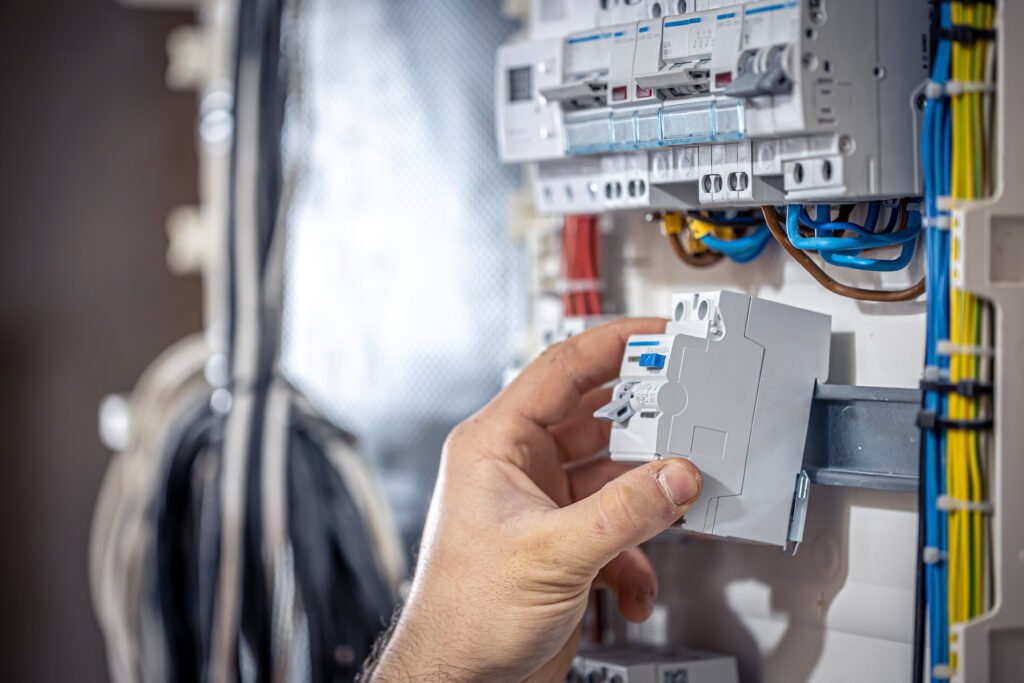
Central air conditioners usually have two power sources: a double-pole breaker for the outdoor condenser and a separate breaker for the indoor furnace or air handler. A power surge, a spring thunderstorm or a short in the system can trip either one.
Open your electrical panel and look for a breaker sitting in the middle or “off” position. Reset it once by pushing it fully off, then back on. Next, check the disconnect box mounted on the wall near the outdoor unit and make sure the switch or pull-out block is in place.
Important: if the breaker trips again, leave it off. A breaker that keeps tripping is protecting your home from an electrical fault, and it needs a professional diagnosis, not repeated resets.
Thermostat Settings
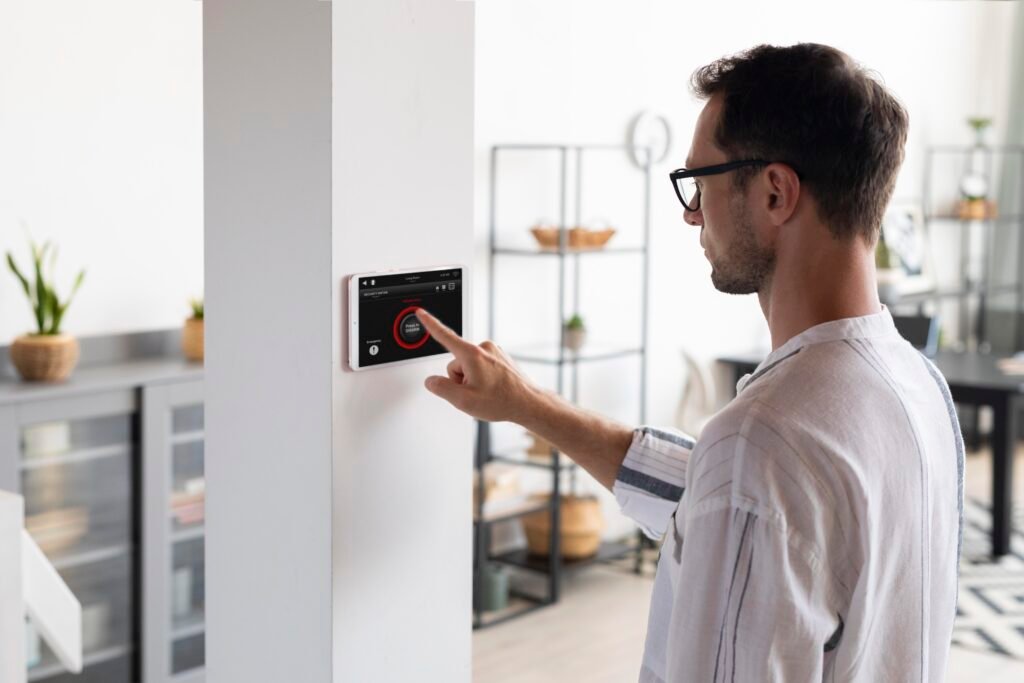
This sounds obvious, yet it is the number one reason for spring no-cool calls. After heater service, the thermostat is often left in Heat or Emergency Heat mode. Switch it to Cool, set the fan to Auto, and lower the setpoint at least three degrees below the current room temperature.
Then give it a few minutes. Many thermostats have a built-in compressor delay of about five minutes that protects the outdoor unit from short cycling. Also check for a blank or flickering screen, which usually means the batteries need replacing. If you have an older or unreliable thermostat, upgrading to a smart thermostat can prevent these mix-ups and trim your summer bills.
Blocked Condenser Coils

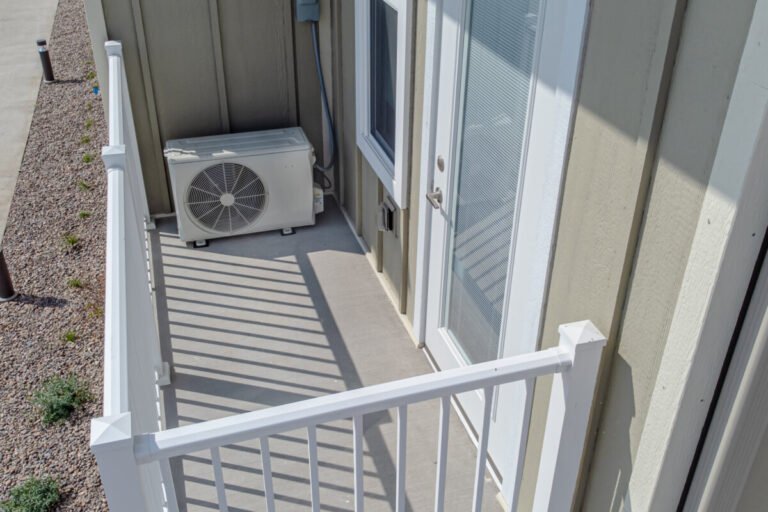
Your outdoor unit sat idle all winter, collecting leaves, grass clippings, dirt and, around here, plenty of spring pollen. When the coil fins are packed with debris, the unit can’t release heat. Pressure inside the system climbs, and a high-pressure safety switch may shut the AC off within minutes of starting, which can look like it never turned on at all.
Turn off power at the disconnect, then clear debris by hand and gently rinse the coil from the inside out with a garden hose. Never use a pressure washer, because it bends the delicate fins. Keep at least two feet of open space around the unit. A spring AC tune-up includes a professional coil cleaning, which reaches the dirt a hose cannot.
Faulty Capacitor or Contactor
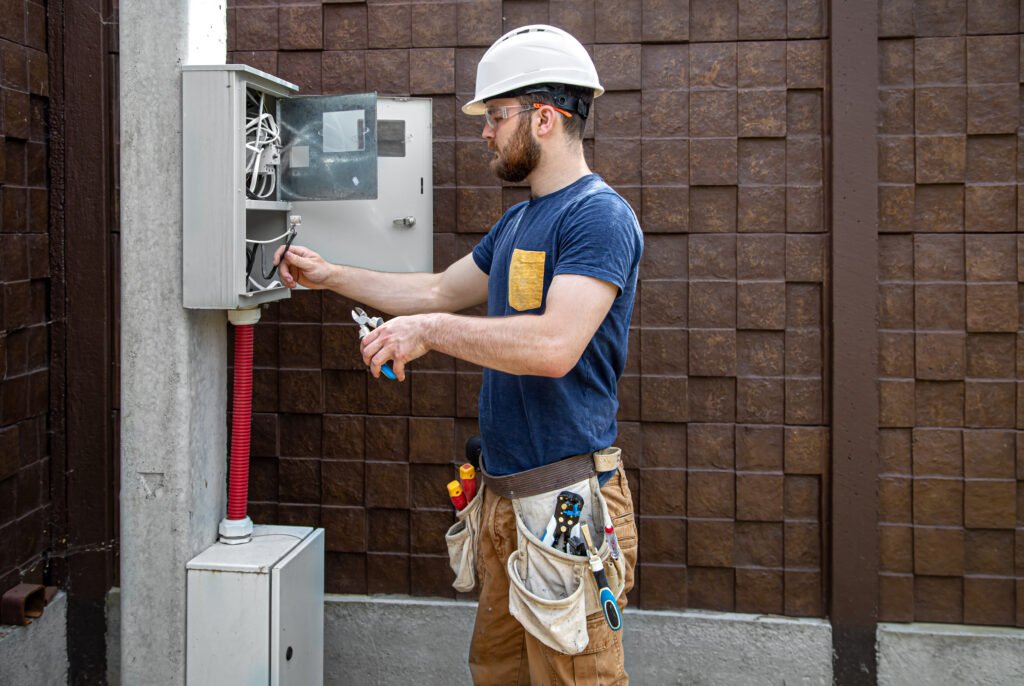
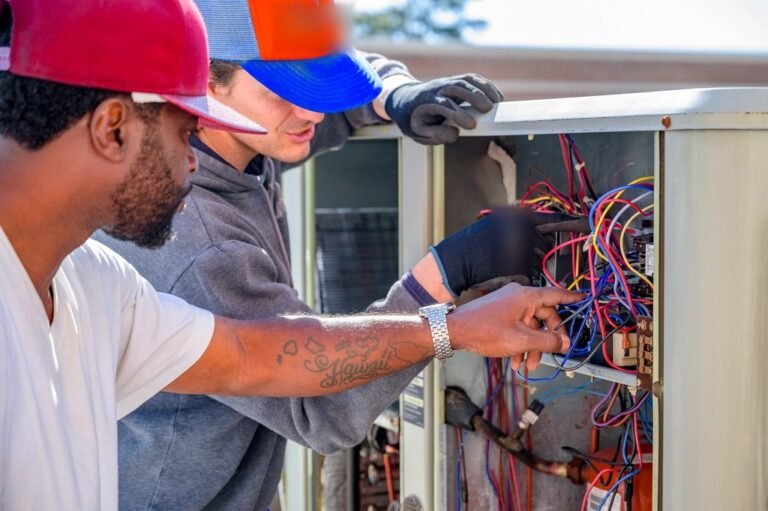
If you hear the outdoor unit humming but the fan won’t spin, or you hear a click and then nothing, a failed capacitor or contactor is the likely cause. The capacitor gives the compressor and fan motor the electrical boost they need to start. Texas heat wears capacitors out faster than milder climates, and they often fail on the first hot day of the year.
The contactor is the switch that sends power to the outdoor unit when the thermostat calls for cooling. Over time its contacts burn and pit, and here in North Texas fire ants are notorious for crawling inside and jamming it.
Please don’t attempt this repair yourself. Capacitors store a dangerous electrical charge even after the power is shut off. A technician can test both parts with a meter and usually replace them in a single visit as part of our AC repair service in Burleson.
Refrigerant Leak or Low Refrigerant Levels
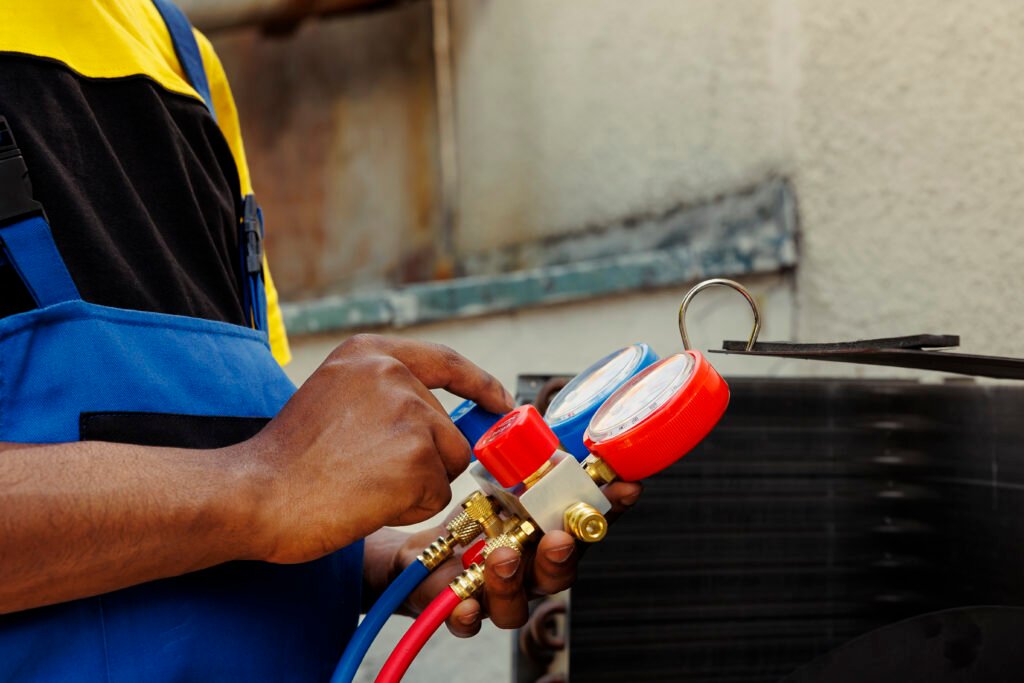
Refrigerant is not used up like fuel. If your system is low, it has a leak. Many systems have a low-pressure switch that prevents the compressor from starting when the charge drops too far, which protects the compressor from serious damage. Other warning signs include ice on the copper lines, a hissing sound, or an AC that runs but only blows lukewarm air.
By law, only EPA Section 608 certified technicians can handle refrigerant. The right fix is to find and repair the leak before recharging, not to keep topping it off. If your system still uses R-22, which has not been produced in the United States since 2020, a major leak repair may cost more than it is worth. In that case, it is smart to compare the repair with an AC replacement that uses today’s refrigerants.
What Should You Do Next?
Before you call, run through this quick checklist:
- Set the thermostat to Cool, fan to Auto, and the temperature below room level. Wait five minutes.
- Replace dead thermostat batteries.
- Check both AC breakers and the outdoor disconnect. Reset a tripped breaker only once.
- Make sure the furnace door is firmly closed.
- Look for standing water near the indoor unit or a tripped drain float switch.
- Clear debris from around the outdoor unit.
If the system still won’t start, or you notice a burning smell, a humming outdoor unit with a fan that won’t turn, a repeatedly tripping breaker or ice on the lines, turn the system off and call a professional. Running a struggling AC can turn a small repair into a compressor replacement.
The best way to avoid this problem next year is to schedule AC maintenance every spring and furnace maintenance every fall, so each system is checked and switched over correctly before the season starts.
Need help now? HVAC Repair Burleson offers fast, same-day AC repair from licensed technicians. Call (817) 839-0304 or request service online, and a licensed technician will get your cool air back on.