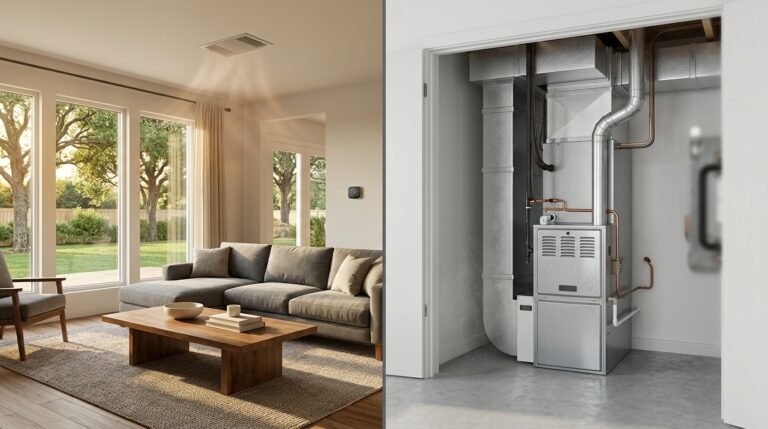

If you have ever opened the utility closet in your Burleson home and wondered what that big metal cabinet is, you are not alone. It is either a furnace or an air handler, and the difference affects how your home heats, what it costs to run and how it should be maintained. Before you dive in, you may also find our guides on how convection heaters work and carbon monoxide and your HVAC system helpful, since both connect directly to this topic.
The Quick Answer
Both a furnace and an air handler sit indoors, contain a blower fan, and push conditioned air through your ductwork. The key difference is how they create heat:
- A furnace makes its own heat, usually by burning natural gas or propane, or with large electric heating elements.
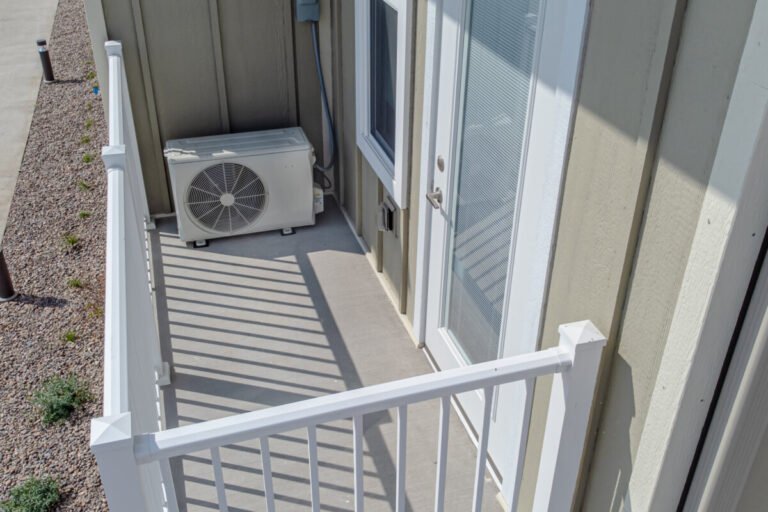
- An air handler does not burn fuel. It moves air across a coil and works with a heat pump outside, which moves heat into or out of your home. Many air handlers also include electric heat strips for backup.
In short, a furnace pairs with an air conditioner, and an air handler pairs with a heat pump.
What Is a Furnace?

A furnace is a heating appliance that generates heat inside the cabinet. In a gas furnace, burners ignite fuel, the flames warm a metal heat exchanger, and the blower pushes household air across the hot exchanger and into your ducts. Exhaust gases leave the home through a flue or vent pipe.
Most furnaces in North Texas also serve as the indoor half of the cooling system. An evaporator coil sits on top of the furnace, and in summer the same blower moves air across that coil while the outdoor AC unit removes the heat.
Key furnace facts:
- Efficiency is measured in AFUE. A standard furnace is around 80% efficient, while high-efficiency models reach 95% or more.
- Furnaces deliver hot air quickly and stay strong in hard freezes.
- Because gas furnaces burn fuel, they need venting, gas lines and yearly safety checks for carbon monoxide.
- A well-maintained furnace typically lasts 15 to 20 years.
What Is an Air Handler?

An air handler is the indoor partner of a heat pump. It contains a blower, an indoor coil and the controls, but no burner. In summer the heat pump pulls heat out of your home like an air conditioner. In winter it reverses and brings heat in from the outdoor air, even on chilly days. The air handler simply moves that conditioned air through your ducts.
When temperatures drop below what the heat pump can comfortably handle, electric heat strips inside the air handler kick in as backup heat. They work well, but they use much more electricity, so a properly set thermostat matters.
Key air handler facts:
- No combustion means no flue, no gas line and no carbon monoxide risk from the unit itself.
- Variable-speed blowers in many air handlers run quietly and improve humidity control in summer.
- The system is all-electric, which suits homes without natural gas service.
- Air handlers usually last 15 years or more, while the outdoor heat pump often lasts 10 to 15 years because it runs all year.
Air Handler vs Furnace: Side-by-Side
| Feature | Furnace | Air Handler |
|---|---|---|
| Heat source | Burns gas or propane, or electric elements | Heat pump, with electric heat strips as backup |
| Paired with | Central air conditioner | Heat pump |
| Venting needed | Yes, for gas models | No |
| Best in | Colder snaps and homes with gas | Mild winters and all-electric homes |
| Safety checks | Yearly combustion and CO testing | Electrical and coil inspection |
Which Is Better for a Burleson Home?

There is no single right answer, but local weather helps. Burleson winters are mostly mild, with occasional arctic fronts that drop temperatures into the teens. That pattern favors a heat pump with an air handler, which heats very efficiently on typical winter days and cools efficiently through our long summers.
If your home already has natural gas, a gas furnace gives fast, strong heat during hard freezes and often costs less to run on the coldest nights. Many homeowners get the best of both with a dual-fuel system: a heat pump handles most of the year, and a gas furnace takes over automatically when temperatures fall.
Things to weigh before you decide:
- Do you have gas service, or would it need to be added?
- How old are your current outdoor unit and ductwork?
- Are you trying to lower summer bills, winter bills or both?
- How long do you plan to stay in the home?
Signs Your Furnace or Air Handler Needs Attention
- Weak airflow or rooms that never reach the set temperature
- Unusual noises such as squealing, rattling or booming at startup
- Higher energy bills without a change in use
- A yellow or flickering furnace flame, or a carbon monoxide alarm
- Water around the indoor unit or ice on the coil
If your cooling quits instead, our article on why an air conditioner won’t turn on after heater service explains how a furnace or air handler problem can shut down the whole system. And if you are unsure whether it is urgent, read Is AC Not Working an Emergency?
Get Expert Advice From HVAC Repair Burleson
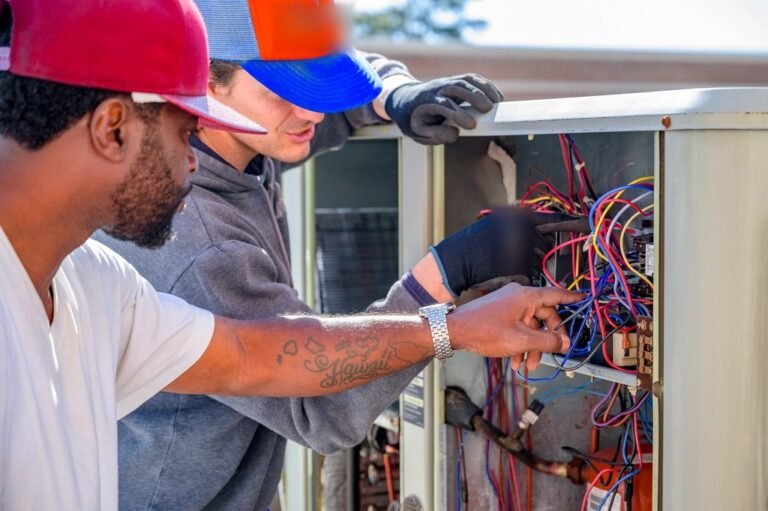
Whether you have a furnace, an air handler or both, regular care keeps your system safe and efficient. Our technicians service every major brand, from heat pump repair and installation to furnace replacement, and we will give you honest options if it is time to upgrade. Call (817) 839-0304 to schedule a visit.