
Do Your Rooms Have The Right Number of HVAC Air Vents?
Hot and cold rooms are often an airflow problem. Learn how many HVAC air vents a room needs, why return vents matter, the warning signs and how airflow problems are fixed.

Hot and cold rooms are often an airflow problem. Learn how many HVAC air vents a room needs, why return vents matter, the warning signs and how airflow problems are fixed.
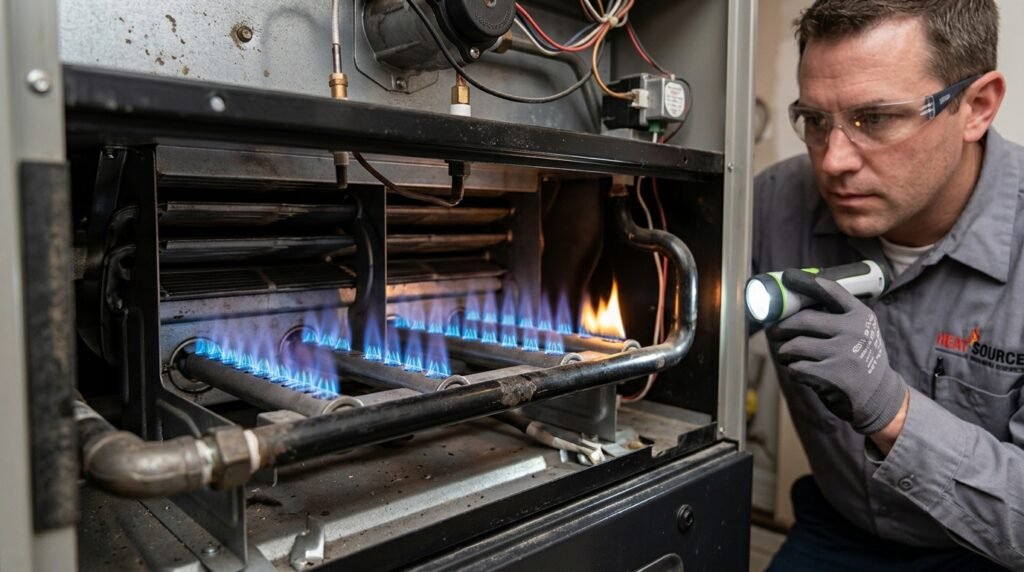
A blue furnace flame means healthy combustion; yellow, orange, red or flickering flames can signal dirty burners, venting problems or carbon monoxide risk. Learn what each color means.

Learn the best thermostat temperatures for Burleson homes, a sample summer and winter schedule, heat pump tips and the common mistakes that waste energy.
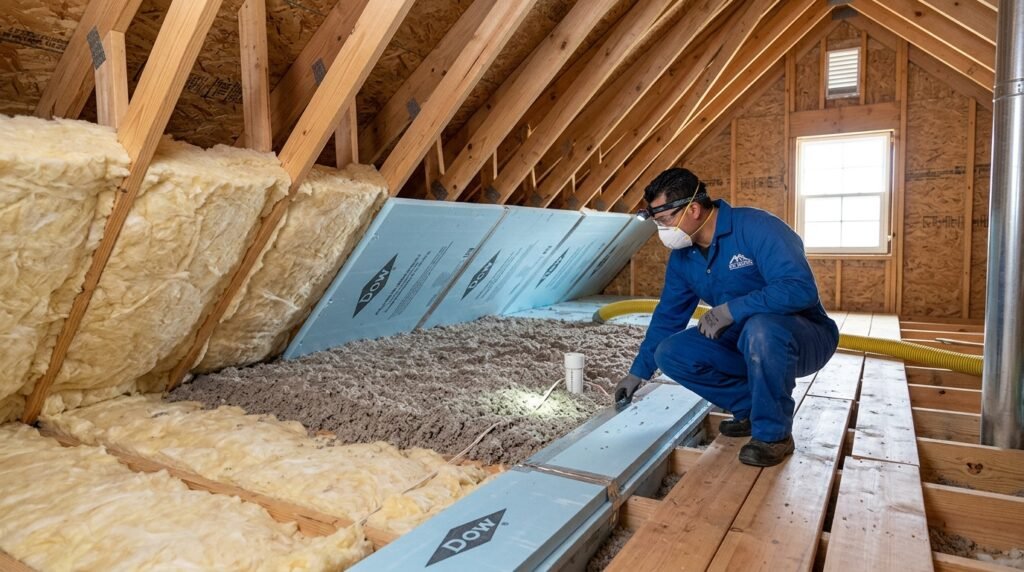
Compare blown-in fiberglass, cellulose, batts, mineral wool, spray foam, rigid foam and radiant barriers, and learn which ceiling insulation works best for Burleson homes.
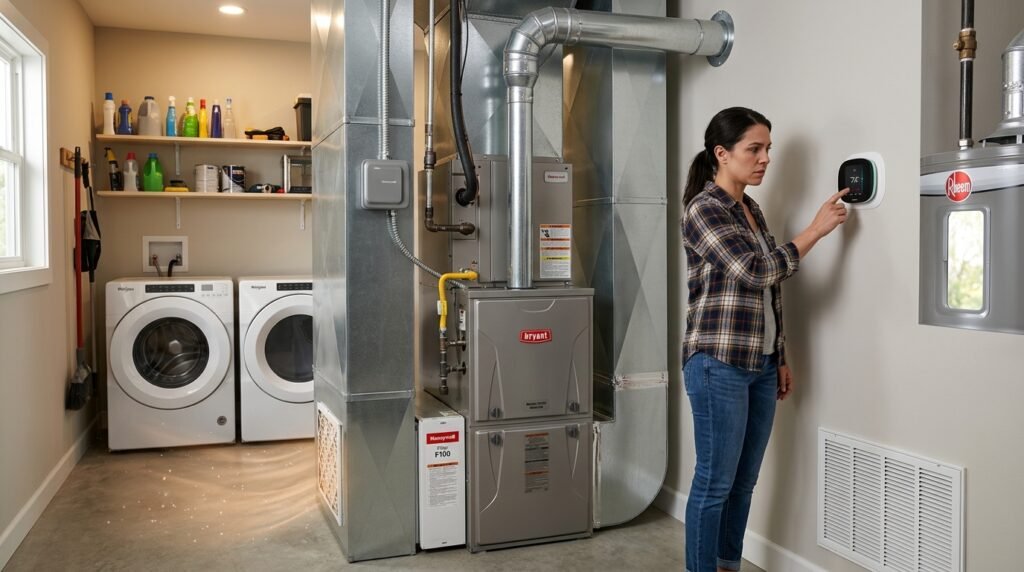
Furnace running nonstop? Learn the 8 most common reasons a furnace won’t turn off, how to tell if it is the fan or the burners, what you can fix yourself and when to call for help.

A blinking red light on your furnace is a diagnostic code. Learn how to read it, what the most common flash codes mean, what you can check yourself and when to call a technician.
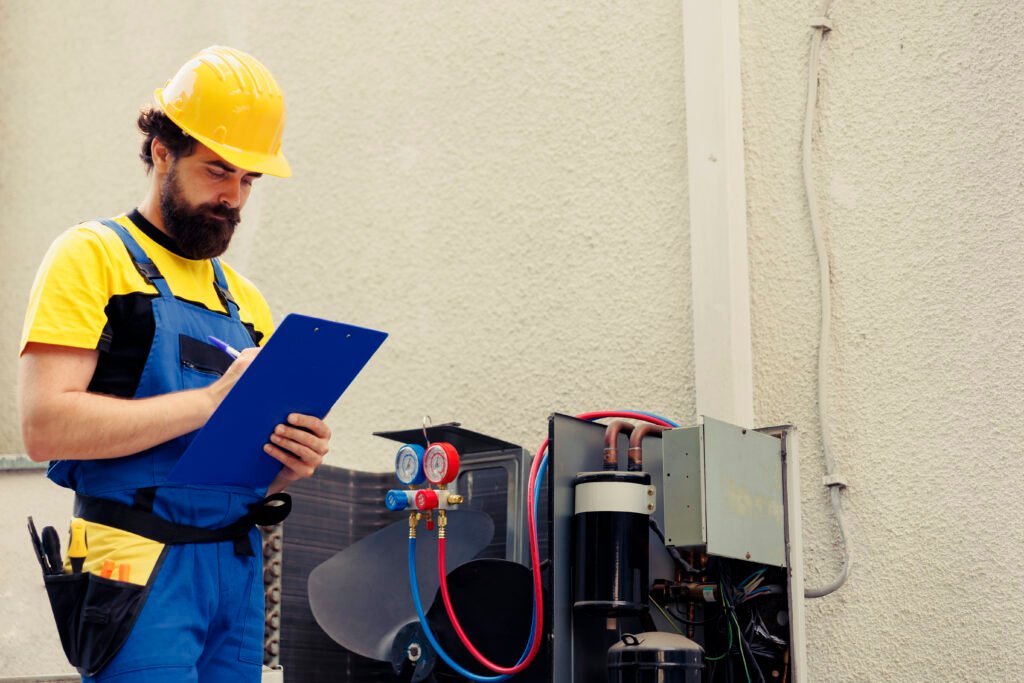
From clogged filters and dirty flame sensors to frozen heat pumps and cracked heat exchangers, here are the 11 heating problems most likely to strike this winter and what to do about each.
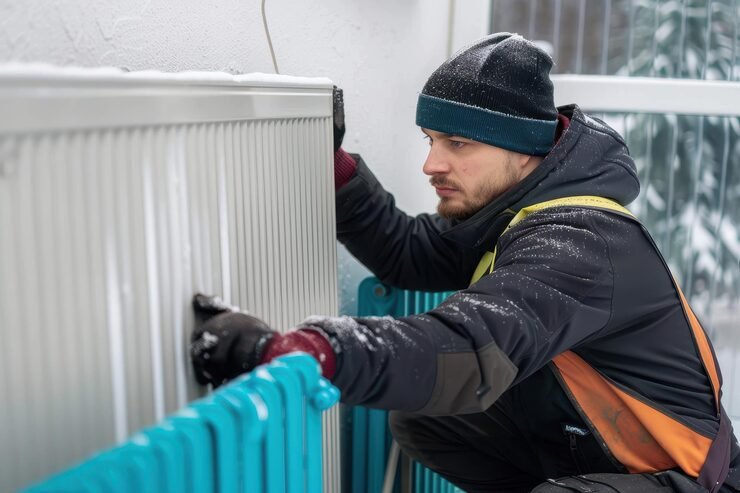
A practical 10-step checklist to get your furnace or heat pump ready for a North Texas winter, from filters and thermostats to freeze and storm prep.
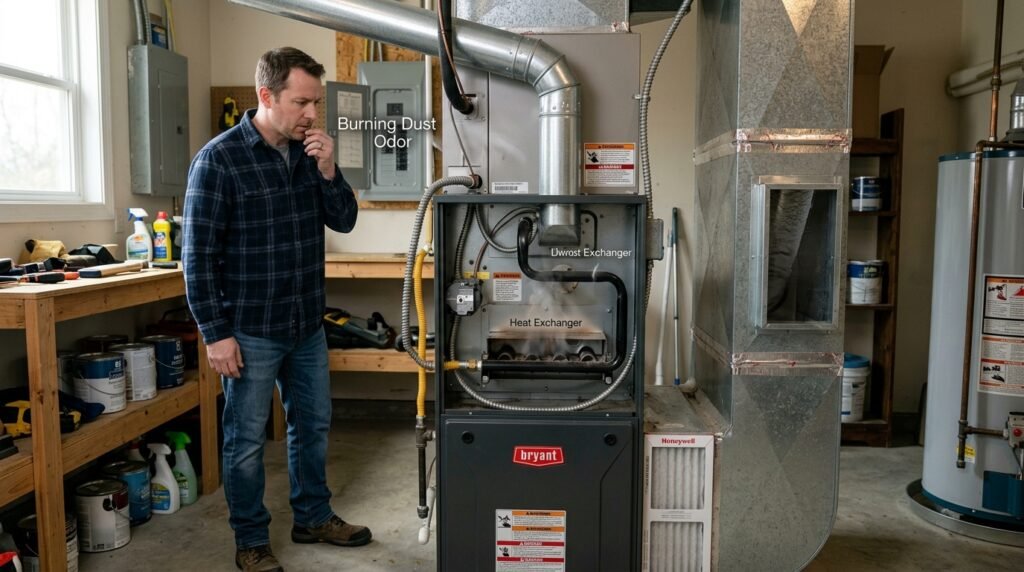
A burning smell from your furnace is usually just dust, but it can also signal an electrical or safety problem. Learn the 7 common causes and what to do.

Protect your evaporative cooler from freeze damage with these 6 easy winterizing steps, from draining the water line to sealing the indoor vent.