
It is the first cold morning of the season in Burleson, the house is chilly, and when you go to check the furnace you notice a small red light blinking through the little window on the front panel. Is it broken? Is it dangerous? Should you turn it off?
That blinking light is actually good news in disguise. It is your furnace’s built-in diagnostic system, and it is trying to tell you exactly what went wrong. Once you know how to read it, you can often fix a simple problem yourself or give your technician a head start. If your furnace has other symptoms too, our guide to 11 problems your heating system may experience this winter is a good companion to this article.
Why Does My Furnace Have a Flashing Red Light?
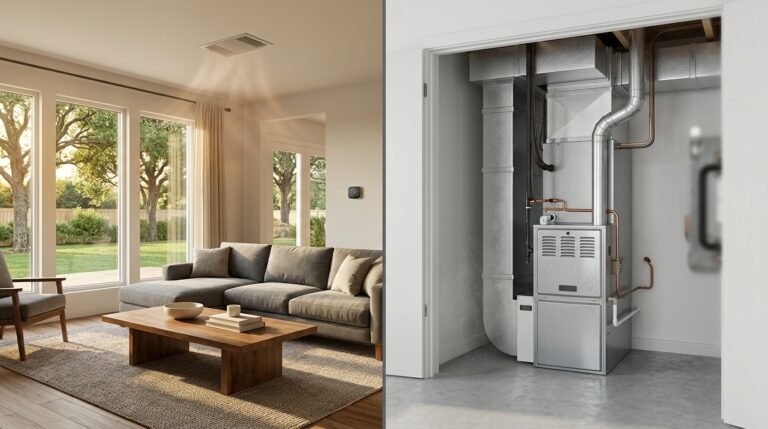
Most gas furnaces built in the last 25 years have an electronic control board, the “brain” that runs the startup sequence: inducer fan, pressure check, ignition, flame confirmation and blower. Mounted on that board is a small LED, usually red, green or amber, that you can see through a sight glass in the lower blower door.
The control board constantly watches its safety switches and sensors. When something is out of range, it stops the furnace and flashes the LED in a specific pattern, called a blink code or error code. The number of flashes points to the part or safety device that caused the shutdown.
How to Read Your Furnace’s Blink Code
- Do not remove the blower door yet. Most furnaces have a door safety switch that cuts power the moment the panel comes off, and on many models that erases the code.
- Watch the light through the sight glass. Count the flashes, then note the pause before the pattern repeats. Some brands use two-digit codes, such as three flashes, a pause, then one flash for code 31.
- Record it on your phone. A short video makes counting easier and is extremely helpful for your technician.
- Find the code chart. The meaning of each code is printed on a label inside the furnace door or in the owner’s manual. Codes are not universal; three flashes on one brand can mean something different on another.
What a steady light means: on many furnaces a slow, steady blink or a solid light simply means the board has power and is working normally. A light that is completely off can mean there is no power to the furnace at all.
Common Furnace Flashing Light Codes and What They Usually Mean
Every manufacturer uses its own chart, so always confirm with the label on your unit. That said, most codes point to one of these common problems.
1 Flash: Ignition Lockout
The furnace tried to light several times, usually three, and failed each time, so the board locked it out for safety. Common causes include a dirty flame sensor, a worn hot surface igniter, a closed gas valve or a gas supply problem. After about an hour many boards will automatically try again.
2 Flashes: Pressure Switch Stuck Closed
The pressure switch confirms that the inducer fan is pulling exhaust safely out of the furnace. If the board sees the switch closed before the inducer starts, it suspects a faulty switch or wiring and will not light the burners.
3 Flashes: Pressure Switch Open or Venting Problem
This is one of the most common winter codes. The inducer runs, but the pressure switch never confirms safe venting. In Burleson homes the usual suspects are a blocked or iced-over exhaust or intake pipe on a high-efficiency furnace, a clogged condensate drain or trap, a cracked pressure-switch hose or a failing inducer motor.
4 Flashes: High-Limit Switch Open (Overheating)
The furnace got too hot inside, so the limit switch shut off the burners. Nine times out of ten the cause is restricted airflow: a clogged air filter, closed or blocked supply vents, or a weak blower motor. Repeated overheating can damage the heat exchanger, so do not ignore this one.
5 Flashes: Flame Sensed With No Call for Heat
The board detected a flame when the gas valve should be closed. This can point to a gas valve that is not closing fully or a control board fault. Turn the furnace off and call a professional.
6 or More Flashes: Rollout, Flame Loss or Other Faults
Higher codes vary widely by brand, but often include a tripped flame rollout switch, repeated flame loss during a cycle, a blower motor fault or reversed electrical polarity. A tripped rollout switch is a serious safety warning: it means flames came out of the burner area, often because of a blocked flue or a cracked heat exchanger. It should only be reset by a licensed technician after the cause is found.
Rapid or Continuous Flashing
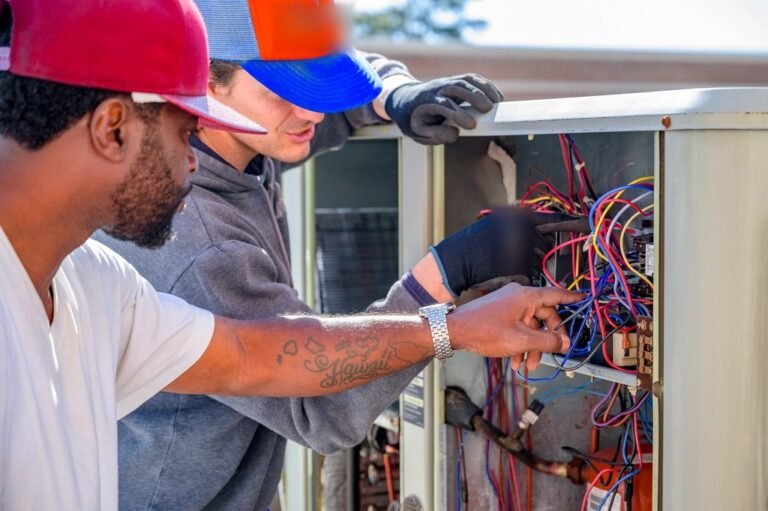
On many models, a fast, continuous flash points to a weak flame signal, a grounding issue or reversed polarity in the furnace wiring. These are electrical problems that need a technician with a meter.
Safe Things You Can Check Yourself
Before you call, these simple checks clear up a surprising number of blinking-light problems:
- Replace the air filter. A clogged filter is the number one cause of overheating and limit codes.
- Check the thermostat. Make sure it is set to Heat, a few degrees above room temperature, with fresh batteries.
- Open every supply vent and make sure furniture is not blocking the return grille.
- Inspect the white PVC vent pipes outside if you have a high-efficiency furnace. Leaves, bird nests or ice during a Texas winter storm can block them.
- Look at the condensate drain line for kinks, clogs or ice.
- Confirm the gas valve is on and the blower door is pushed firmly closed.
- Reset the furnace once. Turn off the power switch or breaker for 30 seconds, then turn it back on. If the same code returns, stop resetting and call for service; repeated resets can hide a real safety problem.
If the furnace door has been off, remember that heating and cooling share the same control board and door switch. Our article on why your AC won’t turn on after heater service explains how a loose panel can shut down the whole system.
When a Flashing Red Light Is an Emergency
Turn the furnace off and call a professional right away if the blinking light comes with any of these:
- A rollout or flame related code.
- A smell of rotten eggs, which can mean a gas leak. Leave the house and call 911 or Atmos Energy at 866-322-8667 from outside.
- Your carbon monoxide alarm sounding, or headaches and nausea in the household. Learn the warning signs in our guide to carbon monoxide and your HVAC system.
- A burning or electrical smell; our guide to a burning smell from your furnace explains what each odor means.
- Soot, scorch marks or melted wiring near the burners.
Not sure whether it can wait until morning? Our guide on when an HVAC problem is an emergency applies to heating as well.
Why You Shouldn’t Ignore the Code
Blink codes exist because the furnace has detected a condition that could damage the equipment or put your family at risk. Bypassing a safety switch or resetting the furnace over and over might bring the heat back for a few hours, but the underlying problem keeps getting worse. A failing inducer, an overheating heat exchanger or a weak flame sensor caught early is a small repair; left alone, it can become a full furnace replacement.
How to Keep the Red Light From Coming Back
Most of the problems behind blink codes are caught during a yearly furnace tune-up. A technician cleans the flame sensor and burners, tests the igniter, checks the inducer and pressure switch, clears the condensate drain, inspects the venting and confirms the safety switches work. For a full pre-season checklist, see how to prepare your heating system for winter, and if you are not sure whether you have a furnace or an air handler, our comparison of air handlers vs furnaces will help.
Furnace Showing a Flashing Red Light in Burleson?
Send us the blink code, or a quick video of it, when you call, and our technician will arrive with a clear idea of what to check. HVAC Repair Burleson provides fast, licensed furnace repair. Call (817) 839-0304 or request service online, and we will get your heat back on safely.