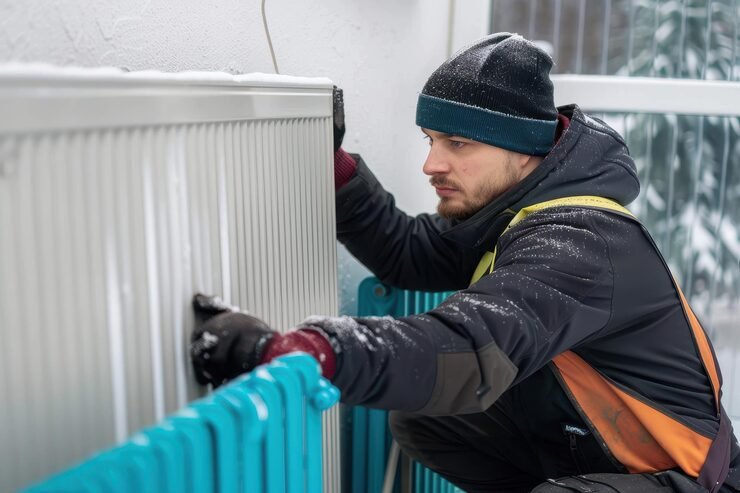
Burleson winters are mild most of the time, which is exactly why they catch people off guard. A sunny 70-degree week can be followed by a hard freeze, an ice storm or, as everyone here remembers from February 2021, days of single-digit temperatures. The furnace or heat pump that sat quietly all summer suddenly has to run for hours, and that is when weak parts give out. If you have ever switched on the heat for the first time and noticed a strange odor, our guide to a burning smell from your furnace explains what is normal and what is not.
The good news: a little preparation in October or early November, before the first freeze, prevents most no-heat emergencies. Here is a practical checklist for getting your heating system ready for winter.
1. Schedule a Professional Furnace Tune-Up
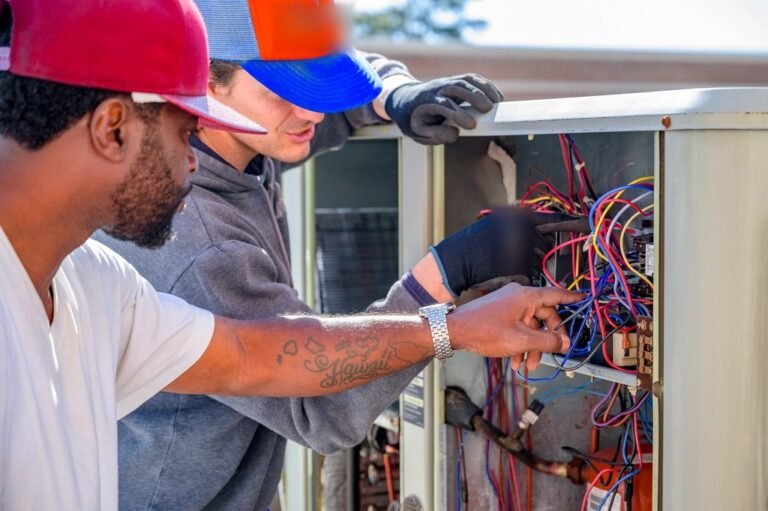
A yearly inspection is the single most effective thing you can do. During a furnace tune-up, a licensed technician cleans the burners and flame sensor, checks the igniter, tests the blower motor and capacitor, tightens electrical connections, inspects the heat exchanger for cracks, verifies the gas pressure and flue draft, and tests for carbon monoxide. Many manufacturers also expect annual maintenance to keep the warranty valid.
Book early. Once the first cold front arrives, every HVAC company in the area gets busy with repair calls, and maintenance appointments get harder to find.
2. Replace the Air Filter
A clogged filter is the most common cause of a furnace overheating and shutting itself off. Restricted airflow makes the blower work harder, raises your gas or electric bill and can trip the high-limit safety switch. Put in a fresh filter before winter and check it monthly. Homes with pets, allergies or recent remodeling may need a new filter every 30 days; others can go up to three months. Write the size down or snap a photo of the old filter so you buy the right one.
3. Test the Thermostat Before You Need It
Do not wait for the first freezing night to find out the heat does not work. On a cool afternoon, switch the thermostat from Cool to Heat, set it a few degrees above the room temperature and wait. Within a few minutes you should hear the furnace start and feel warm air at the vents. While you are there:
- Replace the thermostat batteries if it uses them.
- Set a winter schedule: 68 degrees while you are home and awake, and a few degrees lower while you sleep or are away.
- If you have a heat pump, make sure the thermostat is set to Heat, not Emergency Heat.
Heating and cooling share the same blower, controls and wiring, so a problem on one side can affect the other. Our article on why an AC won’t turn on after heater service explains how the two systems are connected.
4. Check Your Carbon Monoxide and Smoke Detectors
Gas furnaces burn fuel, and a cracked heat exchanger, blocked flue or poorly adjusted burner can release carbon monoxide, a gas you cannot see or smell. Test every CO and smoke detector, replace batteries, and make sure there is a CO alarm on each level of the home and outside sleeping areas. Most alarms need to be replaced entirely every 5 to 10 years; check the date printed on the back. Learn the warning signs in our guide to carbon monoxide and your HVAC system.
5. Clear the Area Around the Furnace and Vents
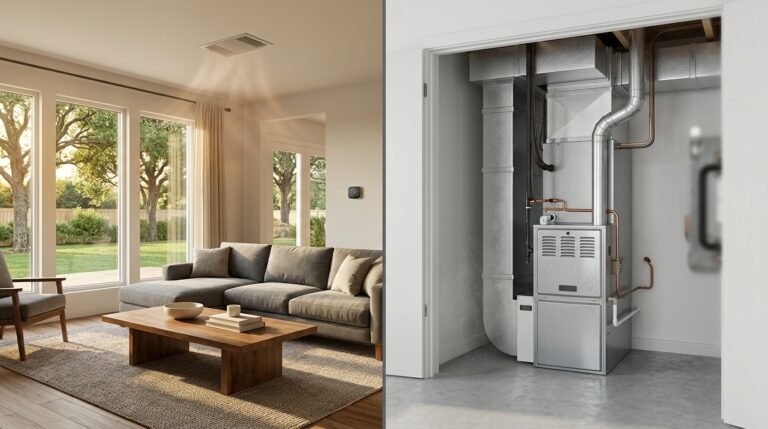
Furnaces in garages, closets and attics often become storage spots over the summer. Keep at least three feet of open space around the unit, and never store paint, gasoline, cleaning chemicals or cardboard boxes next to it. Inside the house, open all supply registers and make sure furniture, rugs and curtains are not blocking vents or the return air grille. Closing vents in unused rooms does not save energy in most homes; it raises duct pressure and makes the system work harder.
6. Inspect the Flue and Outdoor Vents
Take a quick look at the metal flue pipe that carries exhaust out of the house. It should be firmly connected, sloped correctly and free of rust holes. High-efficiency furnaces vent through white PVC pipes on an outside wall or the roof; make sure those openings are not blocked by leaves, bird nests, shrubs or, during a winter storm, ice and snow. A blocked vent can shut the furnace down or push exhaust back into the home.
7. Prepare Your Heat Pump
Many newer Burleson homes heat with an electric heat pump instead of, or along with, a gas furnace. If you are not sure which you have, our comparison of air handlers vs furnaces will help. To get a heat pump ready for winter:
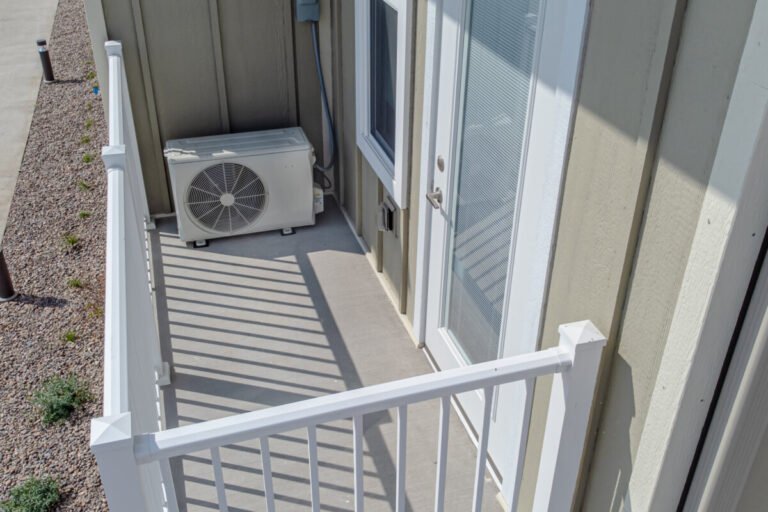
- Clear leaves, grass and debris from around the outdoor unit and keep two feet of open space on all sides.
- Make sure gutters do not drip directly onto the unit, where the water can freeze into a block of ice.
- Expect light frost on the coil and short bursts of steam during the defrost cycle; that is normal. A unit completely encased in ice is not, and needs service.
- Have the backup electric heat strips tested so they work when temperatures drop below freezing.
8. Seal Drafts and Check Your Insulation
Your heating system can only keep up if the house holds the heat it makes. Add weatherstripping around doors, caulk gaps around windows, and seal openings where pipes and wires pass through exterior walls. In the attic, insulation that looks thin, flattened or below the tops of the ceiling joists is letting heat escape. Upgrading your attic insulation pays off in both winter and summer.
9. Protect Pipes, Drain Lines and Outdoor Equipment
Freeze protection is part of heating system prep in North Texas. Insulate exposed water pipes in the attic, garage and exterior walls. High-efficiency furnaces produce water that drains through a condensate line; if that line runs through a cold attic or outside, it can freeze and shut the furnace off, so have it insulated or rerouted. If you use an evaporative cooler in summer, drain and cover it before the first freeze by following our 6 steps to winterize your swamp cooler.
10. Make a Plan for Winter Storms and Power Outages
Most furnaces need electricity to run, even when they burn natural gas, so a power outage means no heat. Before winter:
- Know where your furnace power switch, breaker and gas shutoff valve are.
- Keep flashlights, blankets and batteries where you can find them in the dark.
- Never heat your home with a gas oven, stovetop, grill or outdoor generator, and never run a generator in the garage. These are leading causes of carbon monoxide poisoning during winter storms.
- If you use space heaters, give them three feet of clearance, plug them directly into the wall and never leave them running unattended. Our guide to how convection heaters work covers safe use.
Warning Signs to Watch for This Winter
Even after you prepare, call a professional if you notice any of these:
- A furnace that starts and stops every few minutes (short cycling).
- Cold air from the vents while the heat is on.
- A yellow or flickering burner flame instead of a steady blue one.
- Banging, squealing, grinding or loud booming when the furnace starts.
- Heating bills that jump without a change in the weather.
- A smell of rotten eggs, which can mean a gas leak. Leave the house and call 911 or Atmos Energy at 866-322-8667 from outside.
Not sure if it can wait until morning? Our guide on when an HVAC problem counts as an emergency applies to heating too.
Get Your Heating System Winter-Ready in Burleson
A few minutes of homeowner checks plus one professional visit is the best protection against a cold night without heat. HVAC Repair Burleson offers fall tune-ups, honest inspections and fast furnace repair. Call (817) 839-0304 or schedule service online to get your furnace or heat pump ready before the first freeze.