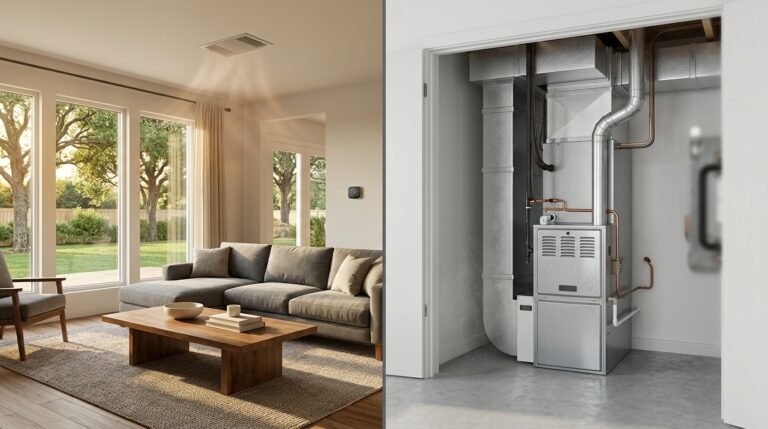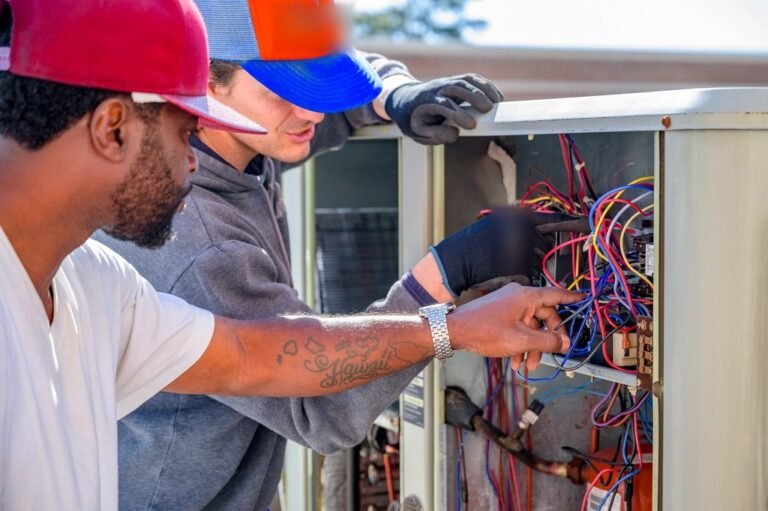
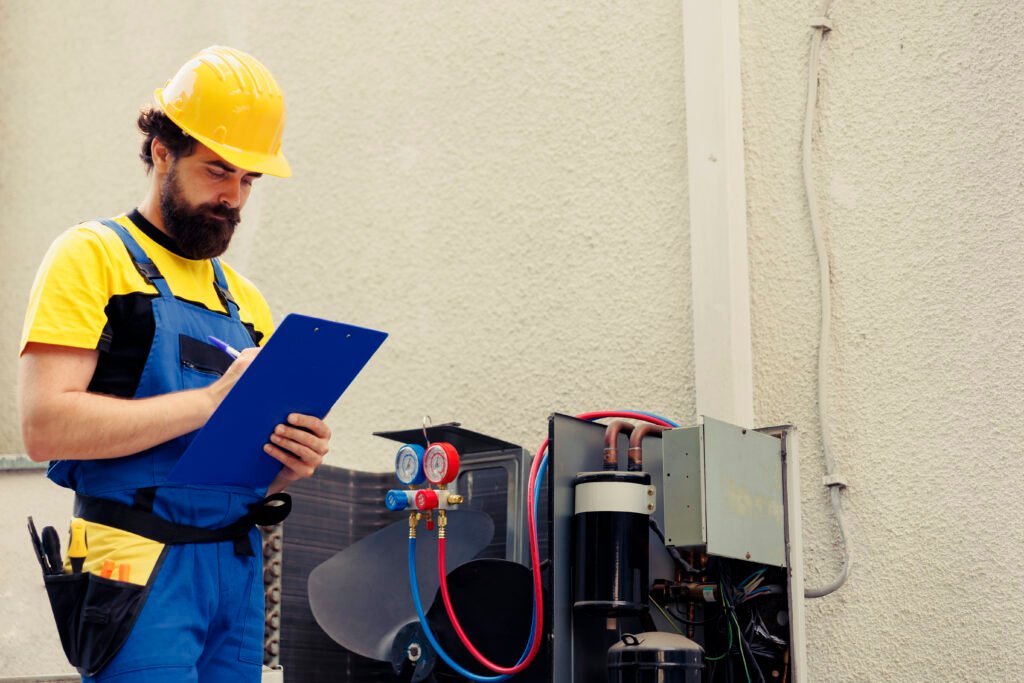
Your heating system does most of its hard work in just a few months. In Burleson, it may sit idle from April to October, then suddenly run for hours on end when an arctic front drops temperatures into the 20s overnight. That on-and-off pattern is exactly what exposes worn parts, dirty sensors and small electrical faults. If you have not done it yet, start with our checklist on how to prepare your heating system for winter.
Below are the 11 heating problems we see most often during North Texas winters, how to recognize each one, what you can safely check yourself, and when it is time to call a professional.
1. A Dirty or Clogged Air Filter
Signs: weak airflow, rooms that never get warm, a furnace that shuts off after a few minutes, rising energy bills.
A clogged filter is behind more winter service calls than any other single problem. When air cannot move freely through the furnace, the heat exchanger overheats and a safety switch turns the burners off to protect it. The system then cools, restarts and shuts off again. What to do: replace the filter. Most homes need a new one every one to three months, and every month during heavy use, with pets or after remodeling.
2. Thermostat Problems
Signs: the heat will not come on, the house is warmer or colder than the setting, the display is blank, or the system runs constantly.
Dead batteries, a thermostat left on Cool, a wrong schedule, loose wiring or a thermostat mounted in a sunny or drafty spot can all make a healthy furnace look broken. What to do: confirm it is set to Heat and a few degrees above room temperature, replace the batteries and check the schedule. If you have an older unit that keeps causing trouble, a properly installed smart thermostat can fix the problem and lower your bills.
3. Ignition or Pilot Light Failure
Signs: you hear the blower or inducer fan start but the burners never light, or you hear repeated clicking.
Most furnaces built in the last 20 years use a hot surface igniter, a small part that glows red-hot to light the gas. Igniters are fragile and wear out with each heating cycle, so they often fail on the first cold night of the year. Older furnaces with a standing pilot light can go out because of a dirty pilot or a failing thermocouple. What to do: check that the gas valve to the furnace is on and the furnace door is fully closed, then call a technician. Igniters and gas valves should be replaced by a licensed professional.
4. A Dirty Flame Sensor
Signs: the burners light, run for a few seconds, then shut off. The furnace may try several times before locking out completely.
The flame sensor is a thin metal rod that confirms a flame is present. If it is not detected, the furnace shuts off the gas for safety. Over months of operation the sensor gets coated with residue and stops reading the flame correctly. This is one of the most common winter repairs, and a cleaning during a furnace tune-up usually prevents it.
5. Short Cycling
Signs: the furnace turns on and off every few minutes, never finishing a full heating cycle.
Short cycling wastes energy, makes the house uncomfortable and wears out parts quickly. Common causes include a clogged filter, a tripped high-limit switch, a dirty flame sensor, a poorly placed thermostat or a furnace that is too large for the home. What to do: replace the filter and make sure all vents are open. If it continues, have the system inspected.
6. Blower Motor Problems
Signs: no air from the vents even though the furnace is running, a humming sound, squealing or grinding, or a hot or burning smell.
The blower moves heated air through your ducts. Worn bearings, a failing capacitor, a slipping belt on older models or a buildup of dirt can cause the motor to overheat or stop entirely. If you notice an odor, our guide to a burning smell from your furnace explains which smells need immediate attention.
7. A Cracked Heat Exchanger
Signs: soot around the burners, a yellow or flickering flame instead of steady blue, a sharp chemical odor, or headaches, nausea and fatigue among people in the home that improve when they leave.
This is the most serious problem on the list. The heat exchanger separates combustion gases from your breathing air, and a crack can allow carbon monoxide to escape. Cracks are most common in older furnaces and in systems that have overheated repeatedly from restricted airflow. What to do: if your CO alarm sounds, get everyone outside and call 911. Our article on carbon monoxide and your HVAC system covers the warning signs in more detail.
8. A Frozen or Clogged Condensate Line
Signs: a high-efficiency furnace that suddenly stops on a very cold night, water around the furnace, or an error code on the control board.
High-efficiency gas furnaces produce water as they burn fuel, and that water drains through a small PVC line. If the line runs through a cold attic, a garage or outdoors, it can freeze during a hard freeze. Algae and debris can also clog it. Either way, a pressure switch shuts the furnace down. What to do: look for a frozen or kinked drain line and call a technician to clear it and insulate it against the next freeze.
9. A Heat Pump That Freezes Up
Signs: the outdoor unit is covered in thick ice, the house is not getting warm, or the auxiliary heat runs all the time.
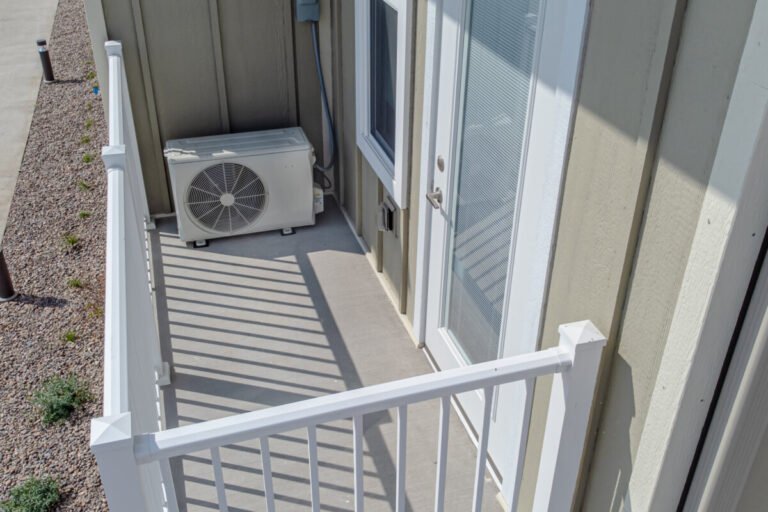
A little frost on a heat pump in winter is normal, and the unit melts it off with a short defrost cycle that may produce steam. A unit encased in ice points to a failed defrost control or sensor, low refrigerant, a stuck fan motor or water dripping from a gutter above it. Heat pumps also lose efficiency as temperatures fall, which is why they rely on backup heat strips on the coldest nights. If you are unsure how your equipment works, read our comparison of air handlers vs furnaces, or learn more about our heat pump repair service.
10. Tripped Breakers and Electrical Faults
Signs: the furnace or air handler is completely dead, with no lights on the control board and no sound.
Even gas furnaces need electricity for the igniter, inducer fan, blower and controls. Heat pumps with electric heat strips draw a lot of current on cold mornings, which can trip a weak breaker. What to do: check the breaker panel and the power switch on or near the furnace, which looks like a light switch. Reset a tripped breaker once. If it trips again, leave it off and call for service, because repeated trips point to a short or a failing part.
11. Uneven Heating and Leaky Ducts
Signs: some rooms stay cold while others are comfortable, upstairs is colder than downstairs, or heating bills are high for the comfort you get.
In many Burleson homes the ducts run through an unheated attic. Disconnected joints, crushed flex duct or missing insulation can lose a large share of the warm air before it reaches the rooms. Closed or blocked registers and dirty ductwork make it worse. Having your ducts inspected and sealed during duct cleaning often solves cold-room complaints without replacing any equipment.
Quick Checks Before You Call for Service
- Set the thermostat to Heat and a few degrees above room temperature, and replace its batteries.
- Replace a dirty air filter.
- Check the breaker and the furnace power switch.
- Make sure the furnace door is closed and the gas valve is on.
- Open all supply vents and clear the return grille.
- Look for ice on a heat pump or a frozen drain line.
While you wait for a repair, use space heaters carefully; our guide to how convection heaters work explains how to use them safely. And if you are unsure whether a problem can wait until morning, see our guide on when an HVAC problem is an emergency.
Important safety note: if you smell rotten eggs, do not touch light switches or the thermostat. Leave the home and call 911 or Atmos Energy at 866-322-8667 from outside.
Fast Heating Repair in Burleson
Most winter heating problems start small and get more expensive the longer they run. HVAC Repair Burleson diagnoses the real cause and explains your options before any work begins. For fast, licensed furnace repair, call (817) 839-0304 or request service online.